
A toilet can leak without making a sound. Add a few drops of food coloring to the tank and wait 10 minutes without flushing. If the color shows up in the bowl, water is leaking out of the tank. A worn flapper or flush-valve seal is a common culprit. If you see water running into the overflow tube, check the fill valve or float instead. Flush when you’re done to clear the dye.
Check for Hidden Leaks
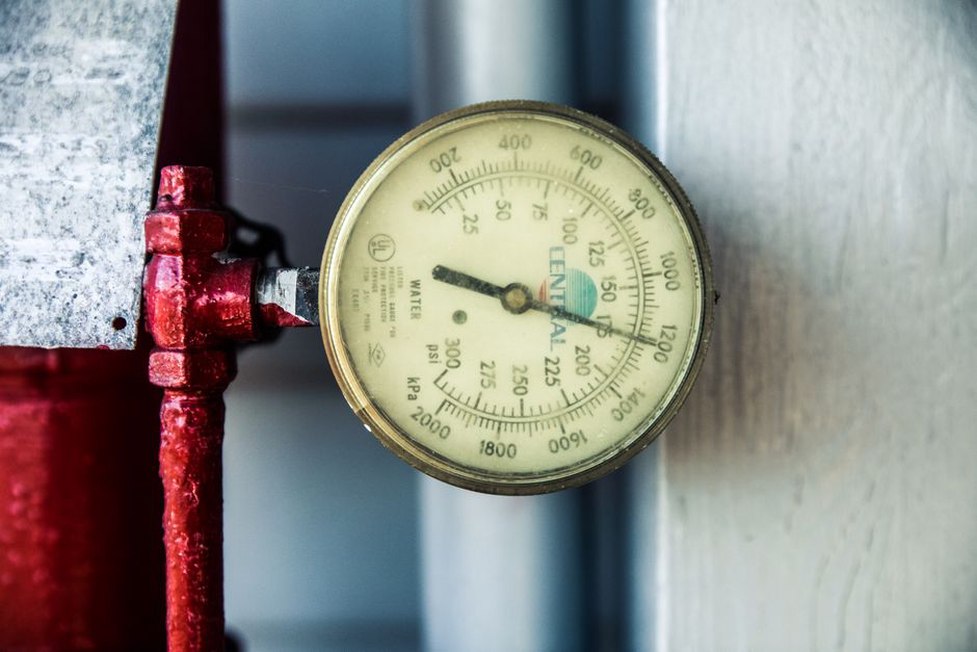
If you have access to your own water meter, note the reading before a stretch of an hour or two when no one will use water. Leave the dishwasher and washing machine off, and make sure automatic equipment such as an ice maker or sprinkler system won’t draw water during the test. Check the meter again at the end. If the reading has changed, look for a running toilet, a dripping outdoor tap, or a leak at an appliance connection. A shared meter can’t tell you what one apartment is using, but you can still do the toilet dye test.
Look under the kitchen sink, behind the washing machine, and around outdoor hose connections. Press a dry paper towel against a fitting if you suspect a slow leak. If you rent, take a photo and report the leak promptly rather than taking the fixture apart. Get professional help if you find damp walls or swollen flooring, or if the meter still moves after you’ve ruled out visible leaks.
Use Less Water in the Bathroom
Before replacing your showerhead, measure what it actually uses. Run the shower at its usual setting, catch the water in a marked bucket for 15 seconds, and multiply the amount by four to get the flow per minute. At 2 gallons a minute, cutting an eight-minute shower to five minutes saves 6 gallons, and there’s less water to heat. If several people share the shower, a lower-flow head can save water without asking everyone to watch the clock.
An aerator can cut the flow at the bathroom sink without making handwashing awkward. If the one you have sprays sideways or gives you an uneven stream, try cleaning it according to the manufacturer’s instructions before buying a replacement. A lower flow saves water when you leave the tap running, but it takes the same amount of water to fill the basin.
- Turn off the tap while you brush your teeth or shave. A little water in the basin is enough to rinse the razor.
- If the shower or tap takes a while to warm up, catch that first rush of cold water in a clean jug. Use it to water houseplants or clean.
- If you have a dual-flush toilet, use the smaller flush when it’s enough. Don’t put a brick or anything else in the tank to reduce the flush volume; it can interfere with the mechanism.
Save Water on Dishes and Laundry
At the kitchen sink
Scrape plates into the trash or compost before loading the dishwasher. You usually don’t need to rinse them under the tap first; check the dishwasher manual for advice on stuck-on food. Run a full load, leaving room between dishes and keeping the spray arms clear. A full load in an efficient dishwasher can use less water than washing the same dishes by hand with the tap running. If you wash by hand, fill a basin with soapy water and rinse several dishes together instead of leaving the tap on between items.
For gritty produce, swish it in a clean bowl of plain water, then lift it out so the grit stays behind. Finish with a brief rinse under clean running water. There’s no need for soap.
Keep a covered pitcher in the fridge so you don’t have to run the tap every time you want a glass of cold water.
In the laundry
Wait until you have a full load when you can, but leave enough room for the clothes to move. If you set the water level yourself, match it to the load rather than choosing the highest setting by default. If your machine senses the load, check the manual for bulky items. Don’t assume a small load or a quick cycle will always use the least water.
Save the extra rinse for loads that need it. Measure detergent for the size of the load and the hardness of your water so you don’t leave excess suds behind.
Water the Soil, Not the Pavement
Check below the soil surface before watering a garden bed. The top can look dry even when there’s still moisture around the roots. Check pots separately: a small container can dry out much faster than the bed next to it. Water slowly at the base of each plant. If water pools on compacted soil or runs downhill, stop and let it soak in before you continue.
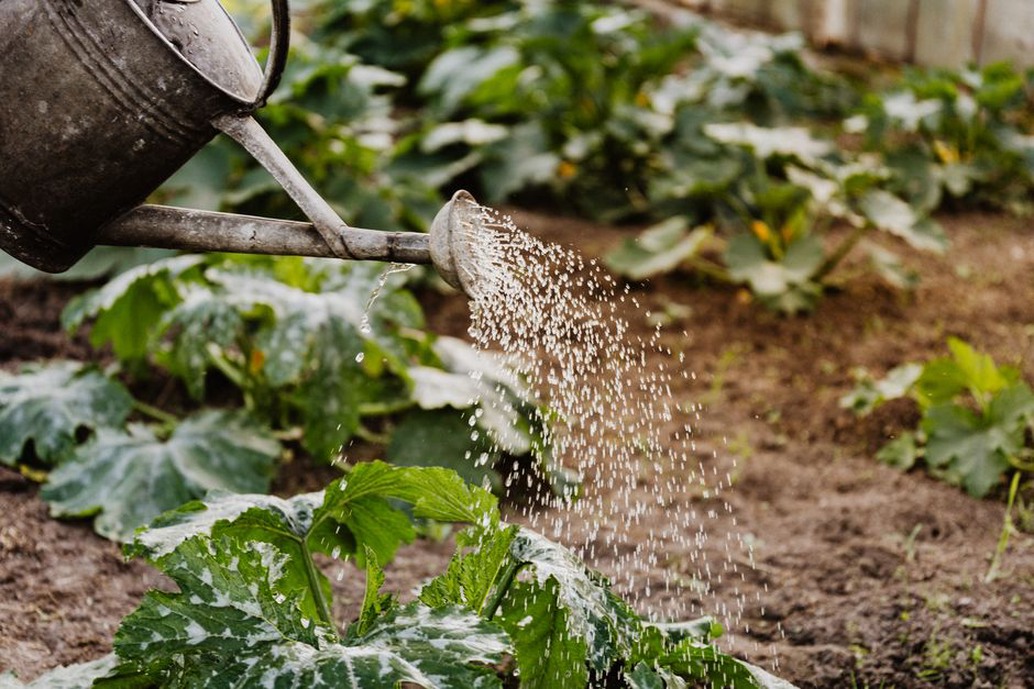
If you use sprinklers, run each zone briefly and watch where the water goes. A head pointed at the sidewalk, a broken nozzle, or a patch that stays soggy may tell you more about high water use than the schedule does. Correct the aim before cutting the runtime. Otherwise, you’ll still water the pavement and your plants will get less.
Skip scheduled watering when rain has soaked the root zone, and follow local watering restrictions. Use a broom, not a hose, to clear dry leaves and dirt off hard surfaces.
Use Your Bill to Check What Changed
Compare how much water you used, not just what you paid. Fixed fees and rate changes can hide a drop in use, and bills don’t always cover the same number of days. Divide the volume on each bill by the number of days it covers to get a daily average. For outdoor changes, compare periods with similar weather and watering needs. If you’ve fixed a leak, repeat the meter test under the same conditions. You don’t have to wait for the next bill.
If you’re weighing a new fixture, keep a short log to see what it might save. Five seven-minute showers a week at 2 gallons per minute use about 70 gallons. At 1.75 gallons per minute, the same showers would use about 61 gallons. Before you shop, measure your current showerhead at the temperature and setting you normally use. At your home’s water pressure, it may already deliver less than its label suggests.