
A basket of ripe peaches is no bargain if they bruise on the way home and nobody eats them by Tuesday. Check what is already in your kitchen before heading to the farmers market, and think about how much fresh food you can use. Leave room for one unexpected find; give the rest of the trip a purpose.
Find out what kind of market you are visiting
“Farmers market” can mean different things. Some markets require vendors to sell what they grew or raised themselves. Others allow resellers, prepared-food businesses, craftspeople, or guest vendors. A stall selling local apples may sit beside one selling imported coffee. Neither is necessarily out of place, but the distinction matters if you want to buy directly from growers.
Check the current hours, location, seasonal calendar, and vendor rules before you go. A market might move for a festival, close in bad weather, or operate for only part of the year. If you have your heart set on a particular product, check current announcements or ask the vendor. Harvests, staffing, and transport all affect what turns up each week.
Timing matters, too. Early visitors tend to get the widest choice, especially when a harvest is limited. Later on, lines may be shorter and you might find a markdown, though sellers are under no obligation to discount unsold food. On a first visit, allow time for a full circuit before buying. Ten minutes of looking around can reveal differences in variety, price, and ripeness.
Pack for the food and the trip home
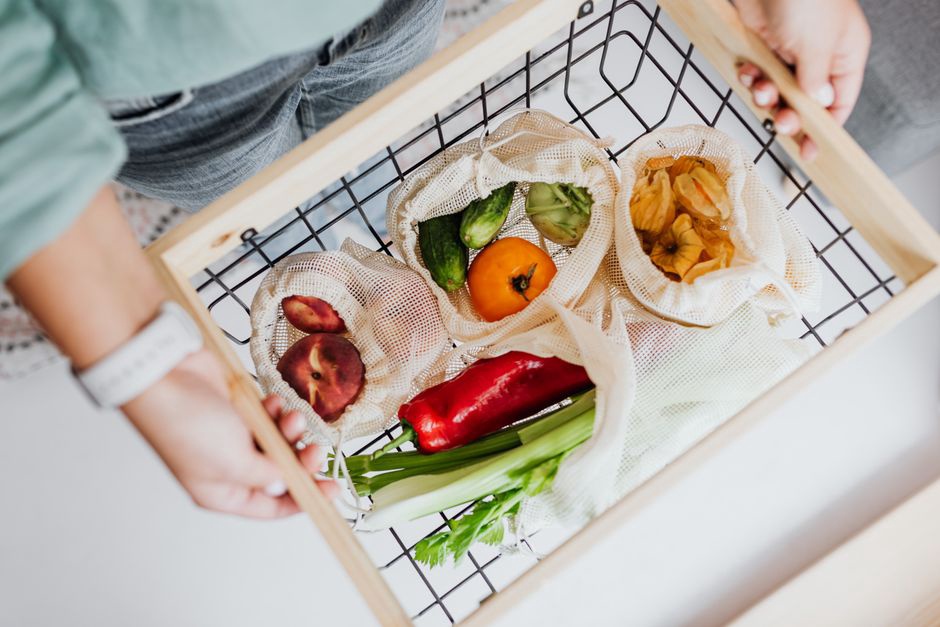
Bring sturdy bags, including one that can hold heavy roots or jars without crushing your greens. A small rigid container will protect berries or soft fruit; a separate bag will keep wet leaves from soaking paper packaging. If you plan to buy meat, seafood, dairy, or other refrigerated foods, bring an insulated bag with cold packs and head home promptly. Stall packaging is no substitute for keeping food cold.
Bring a payment method that works there. Some vendors take cards, some prefer cash, and poor reception can interrupt electronic payments. Small bills help keep things moving, but cash is not a universal requirement. A short shopping note and a rough spending limit are more useful than an elaborate menu: jot down what you need, how much you can use, and how much fridge space you have.
Think about getting there and back, too. Check bicycle parking, whether you need a step-free route, and whether public transit gives you enough time to shop. A trip across town may be worthwhile for a specialty item. For routine produce, the time and cost of travel count.
Make one circuit before committing
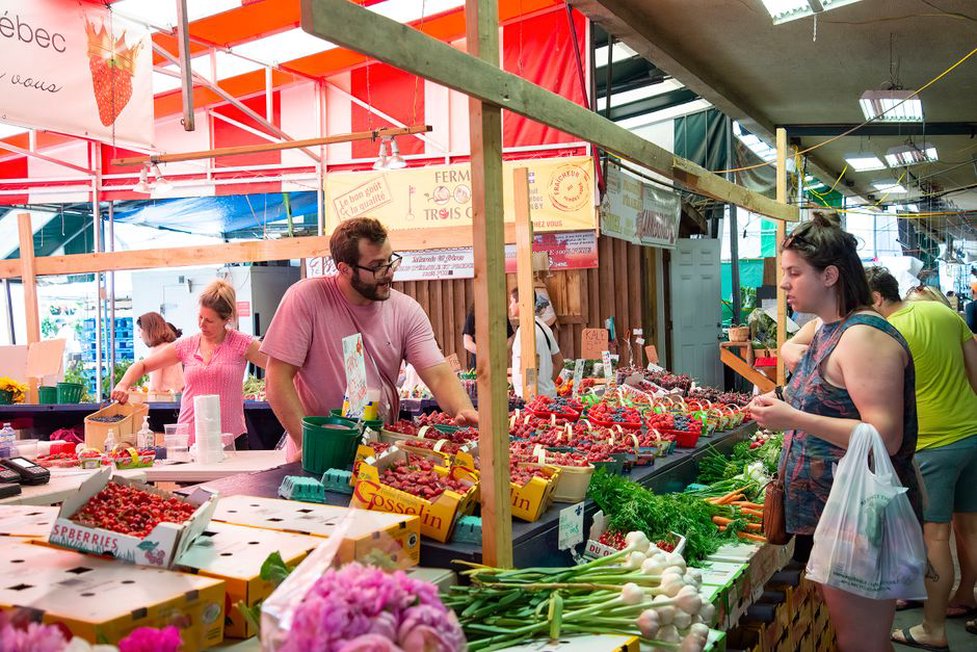
On your first pass, look for the items on your list, note how they are sold, and see what looks ready to eat. One farmer may price tomatoes individually, another by the basket. A large bunch of herbs might cost less per stem but still be wasteful if you need only a handful. Compare quantities, not just signs.
A crowded table or a long line tells you little on its own. A small selection may simply mean a modest harvest; an attractive display does not prove everything was grown nearby. If origin matters, ask: “Did you grow these?” or “Where were they grown?” A vendor selling from mixed sources should be able to tell you which items came from their own farm.
After your circuit, pick up the most fragile or limited item when you see it, then work through the rest of your list. Put heavier goods at the bottom of your bag, away from tender leaves, berries, and tomatoes. At a busy stall, decide what you want before you reach the front of the queue. That leaves more time for a useful question.
Compare value without turning the visit into a price hunt
A price per bunch or basket is useful only if the contents suit you. Check the weight or count when it matters, and think about how much you will actually eat. Carrot greens can make a second meal if they are fresh and you plan to use them. If they wilt untouched, they were not extra value.
Distance is not the only factor in a price. Growing method, variety, scale, labor, weather losses, and harvest timing can all play a part. Buying directly from a grower is not guaranteed to cost less than shopping at a supermarket. Sometimes a little excellent fruit makes more sense than a bargain box you cannot store.
Ask questions that change what you buy
Keep questions specific, especially when a stall is busy. Instead of asking what is “best,” say when you plan to eat it. A grower may steer you toward firm peaches for later in the week, ripe ones for tonight, or a tomato that holds its shape when sliced. Cooking advice can be helpful, though not every vendor will know every product equally well.
- For timing: “Which of these will be ready to eat tomorrow?”
- For storage: “Should I refrigerate this, and for about how long?”
- For an unfamiliar variety: “What changes when it cooks?”
- For sourcing: “Was this grown or made by your business?”
- For dietary needs: “Can you tell me the ingredients, or show me the label?”
If you have a longer question, let other customers order while you think it through. At a quiet stall, there may be time to ask why a crop is scarce or what is due for harvest next. You do not need to sound like an expert. A clear, courteous question beats guessing from the display.
Understand the labels—and their limits
“Local,” “natural,” and “sustainable” do not mean the same thing. No single distance defines “local” at every market. “Organic” may have a regulated meaning where you live; “grown without synthetic pesticides” describes a practice but is not necessarily a certification. If the distinction affects your choice, ask what the seller means and look for certification information.
A small farm may use careful growing practices without paying for a particular certification. Certification alone cannot tell you whether you will enjoy the food, either. Ask about what matters to you—origin, growing practices, ingredients, how animals were raised, or handling. If the answer remains unclear, it is fine to buy something else.
Prepared foods need a closer look. Sauce made nearby may contain ingredients sourced much farther away, as may a loaf of bread. If you have an allergy, read the full label where available and ask the vendor directly about ingredients and cross-contact. If they cannot confirm that a product meets your needs, do not guess.
Buy for the next few days, not an imaginary week
Market offerings change quickly, so plan a meal or two that can bend with what you find. A grain bowl could use roasted squash or carrots; a salad can start with whichever sturdy greens look good. Keep a short list of foods you know how to prepare without a special recipe. It gives you room to try something seasonal without going home with a bag of unrelated purchases.
Separate what you will eat soon from what can wait. Very ripe fruit and delicate greens need early attention; so do cut flowers. Firm roots, whole squash, and some apples may give you more time, though condition and variety affect storage. If you see mixed grades or slightly blemished produce, ask whether it is suited to immediate cooking, sauce, or preserving. Inspect it, then buy only what you can deal with promptly.
Samples, when offered, are handy for comparing varieties. Follow the stall’s setup, use the utensils provided, and ask before tasting loose produce. Flavor is only part of the decision: ripeness, your cooking plans, and when you can eat it matter too.
Use seasonality as information, not a rigid rule
Seasonal availability depends on climate, growing methods, and weather. Greenhouses can extend a harvest, while stored crops may appear months after picking. A calendar offers a rough guide; the stalls show what is available now. If something appears briefly, ask whether more is expected next week before buying more than you need.
Shopping at different points in a season may change what is practical. You might buy a few early tomatoes to eat fresh. At peak harvest, a larger batch for sauce could make sense if you have the time, equipment, and storage ready. What matters is whether the quality, price, and quantity work for you now.
Handle food safely once you leave
When you get home, put chilled purchases away first. Keep raw meat and seafood separate from produce and ready-to-eat foods in transit and in storage, and follow any handling directions the vendor provides. If the trip home will be long or hot, buy perishables last rather than leaving them in a warm bag while you browse.
Sort produce before putting it away. Remove ties or tight bands that press into tender stems, and set aside bruised or very ripe items for the next meal. Most whole produce is best washed shortly before use; storing it damp can speed spoilage. If you wash greens ahead, dry them thoroughly and store them without packing them tightly.
Food from a farm still needs washing. Rinse fruits and vegetables under running water before eating or preparing them, including those you plan to peel, and do not use soap. Follow any product-specific instructions on packaged items. Dirt on a carrot may be ordinary; visible mold or a strong off smell is another matter.
Make regular visits useful for both sides of the stall
Return visits teach you which vendors carry food you use and when their harvests tend to arrive. They also let you give more useful feedback than “those were good.” Saying that last week’s pears kept well for four days, for example, tells a grower something about ripeness and handling. For a larger project, ask in advance whether you can preorder and what grade and price to expect.
Good market manners are mostly about respecting food and space. Ask before handling delicate produce, return anything you decide against to the same display, and mind where your bags swing. Treat posted prices as the starting point. If you are watching your budget, ask for a smaller quantity rather than assuming bargaining is expected.
Next time, try one unfamiliar vegetable. Ask the vendor how they store it and write its name on your shopping note. Later, you will know what to look for—and whether it deserves space in your bag again.