
Set a spending limit before you pick a venue or invite anyone. A free room can still make for an expensive party if feeding everyone there costs more than you planned. Include any confirmed contributions from other hosts, then leave a little of the total unassigned for ice, transport, extra plates, or something else you missed. A firm number makes it easier to enjoy the party without doing mental arithmetic all afternoon.
Decide what matters before pricing anything
Ask the birthday person what they would most like to remember: seeing particular friends, eating a favorite dish, dancing, playing games, or spending an unhurried afternoon together. Pick one or two priorities. If the cake matters, simplify the decorations. If everyone mainly wants to talk, skip paid activities and find a place where they can hear one another.
Set the guest list, length, and location together. Twelve people at home for two hours might fit comfortably; the same group staying for dinner will need more seating, food, and cleanup. A short party works well when the timing is clear. For a child’s birthday, keep the guest count within what the available adults can supervise safely.
Build a budget around the guest count
Write down the maximum total and estimate food, drinks, cake, venue, supplies, activities, and transport. Check the cupboards before adding supplies to the shopping list. If one estimate rises, cut another or change the plan; don’t count on the difference sorting itself out.
With a $150 limit, for example, you could set aside $15 for surprises and budget $65 for food, $25 for drinks and ice, $25 for cake, and $20 for supplies and an activity. This is an illustration, not a benchmark: local prices and dietary needs can change the figures considerably. A table helps you see where the money is going:
| Category | Estimate | Question before buying |
|---|---|---|
| Food | $65 | Does the quantity match the time of day? |
| Drinks and ice | $25 | Is water already available? |
| Cake or dessert | $25 | Can one dessert serve everyone? |
| Supplies and activity | $20 | What can be borrowed or reused? |
| Unassigned reserve | $15 | What small costs have been missed? |
Before paying a deposit, work out the full price, not just the advertised per-person rate. Add taxes, service charges, minimum orders, and fees for bringing a cake or staying longer. If someone offers to help pay, find out exactly what they’ll cover before relying on that money for a reservation.
Choose a place that works without much setup
Home, a shared community room, or a public park can keep venue costs down, though each comes with limits. At home, think about seats, bathrooms, neighbors, and somewhere to put coats and bags. At a park, check the rules on group size, shelters, sound, and food. You may need a permit, and a table may not be guaranteed. Make sure your rain plan can hold the same number of people. A community room might cost more than a backyard but spare you the expense of chairs or weather cover.
Choose a time that matches what you can serve. Midafternoon can mean cake and snacks; a party that runs through dinner calls for more food. Tell guests the timing and food plan in the invitation. If access is limited, let them know about stairs, bathrooms, and parking before they commit.
Make a food plan guests can understand
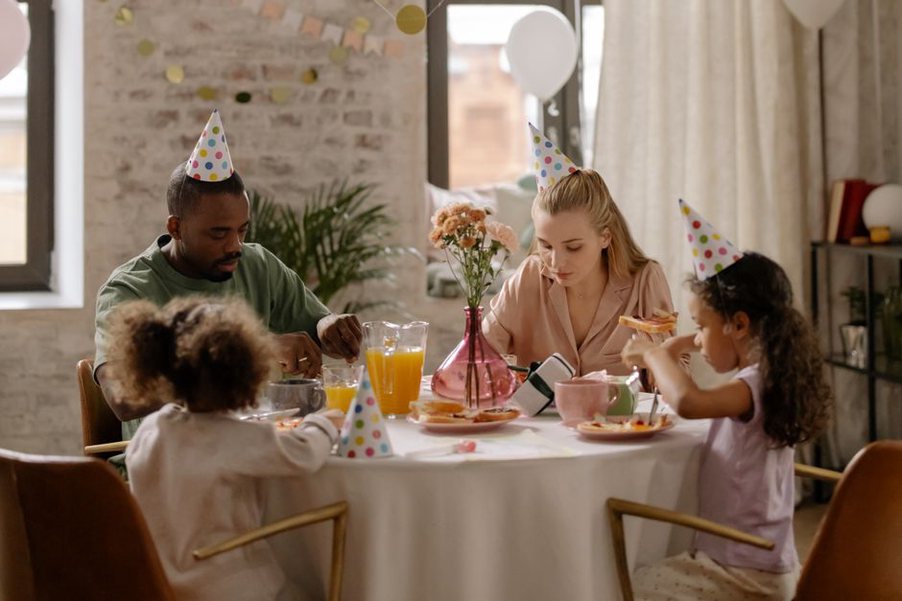
Keep the menu short, use overlapping ingredients, and choose dishes you can portion out with reasonable confidence. Soup and bread, baked potatoes with toppings, or a sandwich spread may be easier to scale than several elaborate dishes. Check what you have before shopping, then take a written list. When comparing homemade and ready-made food, price the whole recipe, not just its main ingredient. Factor in your time and equipment, too: a cheap recipe is little use if it needs an oven you don’t have.
Ask about allergies and dietary needs when guests RSVP rather than at the table. Keep ingredient information available and use separate serving utensils if cross-contact is a concern. Don’t promise a dish is safe unless you can verify it. If it’s a potluck, make contributions optional and coordinate what people bring. Ten bags of chips won’t replace a main dish, and guests shouldn’t find out later that attending comes with a cost unless a shared-cost arrangement was agreed in advance.
One cake or dessert is usually enough of a focal point, but check the serving count before buying. For a larger group, a small decorated cake for candles can sit alongside a simpler sheet cake or another dessert. At a children’s party, a make-and-take activity can replace favors bought separately for every guest.
Spend less on atmosphere, not on comfort
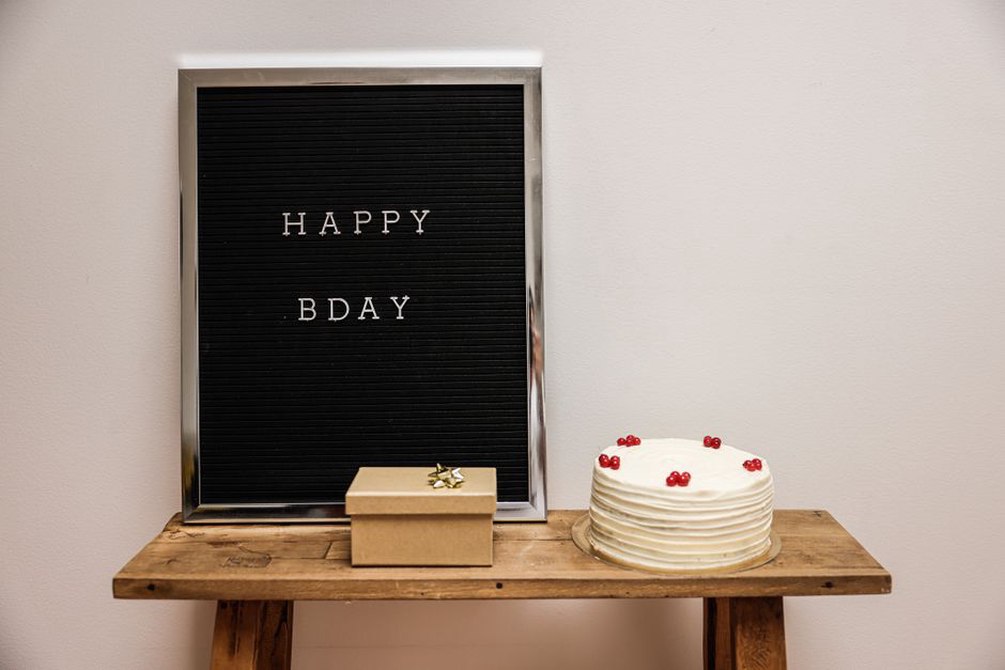
Decorate one area rather than every wall. A reusable tablecloth, a few paper decorations, or a sign made from what you have can give the cake table a sense of occasion. If you borrow trays or chairs, confirm when they need to go back. Plain plates already in the cupboard will do more work than a new set of themed disposables.
Music needn’t add to the bill. Make a playlist in advance, download it if the connection is unreliable, and test the speaker at a volume that leaves room for conversation. For a listening-focused gathering, friends could bring a record or recording to share—if the birthday person likes the idea and you have equipment that can play it. Keep it optional. Outdoors or in a shared building, follow local noise rules and be prepared to turn the volume down.
Plan an activity with a clear stopping point
You don’t have to fill every minute. One optional activity is plenty: a familiar card game, a short trivia round about shared interests, a craft using supplies on hand, or a walk followed by cake. Make sure guests can take part or feel comfortable sitting it out. For younger children, one group activity and some free play may be easier to manage than a tight schedule.
Aim to serve cake about halfway through. Leave it until the last few minutes and early departures may miss it, while you’re juggling dessert and cleanup. A loose outline is enough:
- Leave the first 20 to 30 minutes for arrivals, food, and drinks.
- Start the optional activity when most guests have arrived.
- Serve cake while there’s still time to talk.
- Wait until near the stated end time to stop the music and start packing up.
Adjust the timing to the party rather than making everyone follow a timetable. For a child’s party, tell caregivers when pickup is expected and how to reach you if plans change.
Send invitations that prevent last-minute costs
A message will do; printed invitations are optional. Include the date, start and end times, address, food plan, any practical thing guests should bring, and an RSVP deadline. If gifts aren’t expected, say so. Don’t hint that guests need to bring food, drinks, or supplies unless you’ve explicitly planned the event together as a shared-cost gathering.
Set the RSVP deadline before your final grocery trip. A head count helps you avoid buying for people who can’t come, though a little flexible food is useful if plans change. If several people can’t make the date, ask whether the birthday person would prefer a smaller gathering on the day and another casual get-together later, rather than a larger rental on a different date.
Use the last week to catch the overlooked details
Several days out, confirm the venue, check the weather if it matters, and verify anything you’re borrowing. The day before, count plates, cups, utensils, seats, and serving tools. Find the candles, something to light them with where permitted, a cake knife, trash bags, and containers for leftovers. Each missing item may be cheap, but a hurried trip to replace it takes time.
On the day, put water and cups where guests can find them. Label foods whose ingredients aren’t obvious, and keep perishable dishes at appropriate temperatures instead of leaving them out all party. Give one willing helper a specific task, such as topping up drinks, rather than asking several people to manage everything. Before anyone arrives, put the cake knife, candles, and matches in one place. That quick check beats searching the kitchen drawers when it’s time for cake.