
A used bookcase can look straight in a listing and shift out of square the moment you move it. Sometimes the back panel is all that holds the frame steady. Before you judge the finish or the price, press gently on the sides, inspect the joints, and look for sagging shelves. Secondhand furniture has a working history that a photograph rarely shows.
Start with the job the piece needs to do
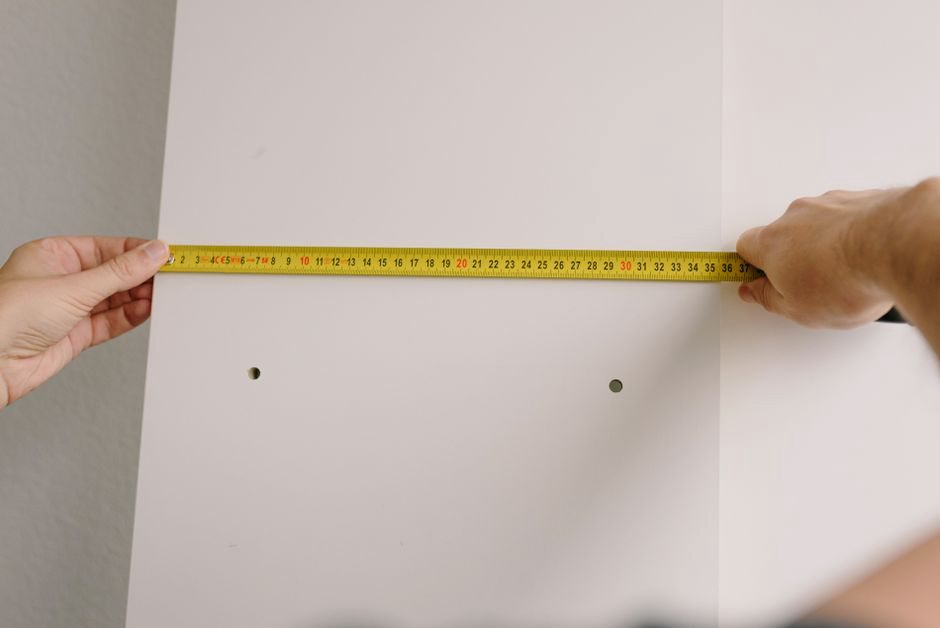
Decide where the piece will go and what it must hold before you browse. A cabinet for a listening room may need to carry heavy records while leaving room for cables; a bedside table needs a stable top and storage you can reach easily. Write down the maximum width, depth, and height, plus any minimum shelf dimensions. Then measure the narrowest doorway, stair turn, elevator, and hallway on the way in. Fitting against the wall is no use if you cannot get it through the door.
For record storage, measure a sleeve or box you own rather than trusting a “bookcase” label. Check usable shelf depth, clear height, and whether the shelves can take a dense load without bowing. Tall, narrow units should be anchored to the wall with suitable hardware, especially around children or pets. Check that the construction gives you somewhere sound to attach it.
Set two budgets: one for buying the piece, another for making it usable. Transport, replacement hardware, cleaning supplies, upholstery, or a hired repair can change the cost considerably. Decide what a repair is worth to you before you buy, not after you get the piece home.
Read the listing for what it does not show
Photos show shape and visible wear. They seldom show the underside of a chair, the back of a cabinet, or the inside of a drawer. If you cannot inspect the piece yet, ask for clear, current photos of those areas. Request measurements at the widest points, including handles, projecting feet, and an overhanging top. If a seller says “solid wood,” ask which parts they mean: a solid-wood frame may still have a veneered top or engineered-wood panels.
Ask questions that can be checked. Does it wobble on a level floor? Do the doors close without rubbing? Has it been stored somewhere damp? Are there odors, stains, repairs, or signs of pests? The seller may not know every answer, and even a confident reply is no substitute for inspection. If they avoid showing damage after you ask, factor that uncertainty into your decision.
Do not take a fashionable label as proof of age or origin. “Vintage” says little about construction, and a maker’s mark does not mean every component is original. If authenticity affects what you will pay, check the construction and provenance separately. Otherwise, concentrate on condition and whether the piece suits your needs.
Inspect structure before surface
At pickup, start with the weight-bearing parts. Look underneath, behind, and inside. Push gently on opposite corners of a table or cabinet to see whether the frame twists out of square. With the seller’s permission, sit on a chair and shift your weight slightly; movement at the joints matters more than a scratch in the finish. Open every drawer and door. Look for cracked rails, loose legs, missing fasteners, warped panels, and repairs that have come loose again.
Materials change what a repair involves. Solid wood can often take careful refinishing or a minor joinery repair, but deep splits and severe warping are harder to deal with. Small veneer chips may be fixable; widespread lifting or water damage is another matter. Particleboard and similar panels can swell permanently when wet, particularly at edges and screw holes. Fresh paint can hide trouble in any of them, so check exposed edges and undersides.
Listen, too. A chair creaking does not tell you exactly what is wrong, but repeated movement at one joint deserves attention. If shelving will hold records or audio equipment, sight along each shelf at eye level for a dip in the middle. Make sure adjustable shelf pins are present, seated properly, and held by sound material.

Separate cosmetic wear from difficult repairs
- Often manageable: light scuffs, dirt you can remove, a missing standard knob, or a finish you can live with.
- Price the repair first: damaged veneer, a sticking drawer, loose joints, or upholstery that needs professional work.
- Good reasons to walk away: serious structural instability, extensive water damage, signs of active pests, or an odor you cannot tolerate.
These are not fixed rules. A restorer may welcome a job that makes no sense for someone who needs a chair tonight. Be realistic about your tools, time, workspace, and willingness to live with an unfinished project.
Check fabric, smell, and pest risk carefully
Upholstery needs a closer look than a wooden tabletop. Check seams, under cushions, around tufts, and beneath the frame for stains, insects, shed skins, or dark spotting. Bed bugs can hide in narrow crevices, so a clean-looking seat is no guarantee. Pests can affect wooden pieces as well. If you find signs you cannot identify, or cannot inspect the item properly, passing on it is the safer choice.
Smell the piece before committing. Smoke, mildew, pet odors, and heavy fragrance can linger in foam, fabric, or unfinished wood after surface cleaning. A musty smell alongside stains or swollen panels points to moisture exposure. Mild odors may improve with cleaning; do not count on removing a strong, embedded smell.
Find out whether the fabric and construction allow cleaning. Removable covers help only if they can safely be washed and the cushions underneath are sound. Reupholstering an armchair or sofa can take considerable labor and material, so get a realistic quote if the purchase depends on it. A used mattress is especially hard to assess: you cannot readily inspect or clean its interior. A solid bed frame is usually easier to judge.
Fit includes use, movement, and safety
A room needs more than enough floor space for the furniture itself. Leave room to pull out a chair, open cabinet doors, reach an outlet, and get behind equipment. Near speakers or a turntable, the piece should stand firmly and stay quiet during normal use. A rattling cabinet needs attention, not an audio upgrade.
Test stability on a reasonably level surface, keeping in mind that an uneven floor at the seller’s place can make sound furniture appear wobbly. Check that legs are equally long and firmly attached, and that a table’s top is secure on its base. Operate the hinges, leaves, and latches on folding or extendable pieces. Do not assume they work just because the piece is standing.
Some hazards are hard to spot. Before sanding or stripping old paint, consider the possibility of lead in older coatings and seek appropriate testing and safe-work guidance. Use caution with unknown finishes and strong solvents, with ventilation suited to the product. For a child’s room, check tipping, entrapment, and sharp-edge risks against current safety expectations rather than relying on age or charm. Used cribs and similar sleep products need especially careful checking against current requirements; missing parts or unclear model information are reasons to pass.
Work out the real price
Compare the asking price with a usable alternative, not just the original retail price claimed in the listing. Condition, material, repairs, and collection all count. A cheap cabinet an hour away may cost more in fuel, vehicle rental, and time than a better one nearby.
Before agreeing to buy, estimate:
- The purchase price and any agreed delivery fee.
- Transport, packing materials, and help carrying it.
- Immediate cleaning and replacement parts.
- Repairs needed for safe use, with some allowance for problems found after collection.
If the numbers work only because you plan to do a repair you have never attempted, reconsider the price. Base negotiations on visible faults, such as a damaged drawer runner or missing shelf supports. Agree on the price and what comes with the piece before arranging transport: shelves, keys, cushions, hardware, and detachable legs are all worth confirming.
Plan collection before paying
Ask whether the piece comes apart and how. Flat-pack furniture that has been taken apart repeatedly may have worn fastener holes. Photograph the connections before disassembly and put screws and fittings in a labeled bag. Measure the vehicle’s usable opening as well as its cargo space; the piece has to get through the door first.
Bring padding for finished surfaces, suitable load straps, and enough people to lift safely. Remove loose drawers and shelves when practical, but do not lift a cabinet by a detachable top or tug on fragile trim. Protect the corners and secure the load against shifting. If you hire a carrier, send accurate dimensions, any known weight estimate, stair details, and photos rather than assuming a small van will do.
For local private sales, inspect before sending money when possible and use a payment method you are comfortable documenting. Be wary of pressure to pay a deposit sight unseen, particularly if the seller will not provide basic measurements or more photos. A simple written record of the item, price, and pickup arrangement can prevent confusion.
Give the piece a careful first day at home
Before putting it in its final place, inspect the piece again in good light. Vacuum crevices with a suitable attachment, clean surfaces according to their material, and let them dry fully. Do not soak wood or upholstery. If you have a credible pest concern, keep the item away from other furniture while you seek qualified advice; improvised treatments may damage it without reaching hidden areas.
Reassemble with the correct hardware, level the piece if necessary, and check the fasteners once it is in place. Anchor tall storage where appropriate. Load shelves gradually, watching for bending or new movement. For a record cabinet, fill a few sections of the lower shelves first, then check the frame again before loading the upper ones.