
A sleeping bag’s temperature rating is not a guarantee of a comfortable night. Check the overnight forecast before your first trip, choose a bag rated for colder conditions than you expect, and put an insulated pad beneath it. The ground can pull heat from your body even when the air feels mild. An extra blanket left in the car won’t help much if you’re already cold in the tent.
Pack for the campsite you’ve booked, not for camping in the abstract. A drive-in campground with drinking water and toilets needs a different kit from a walk-in site without facilities. Before you make a list, check the forecast and nighttime low, fire rules, water and toilet access, parking distance, and food-storage requirements. If you don’t know the site, leave enough daylight to set up safely.
Build the kit around shelter and sleep
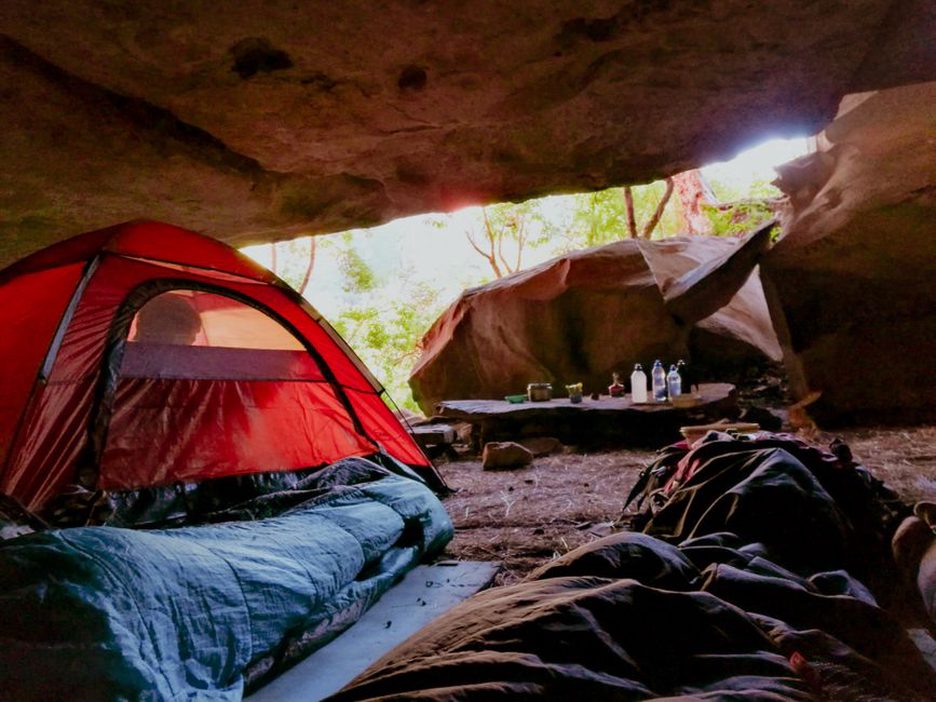
For a first overnight, choose a tent with enough room for people and gear without sleeping bags pressing against the walls. Check for poles, rainfly, stakes, and any required guylines. A groundsheet or footprint can protect the floor, but tuck it completely beneath the tent: an exposed edge can catch rain and channel it underneath you. Pitch the whole tent at home once, rainfly included, while there’s still time to find a missing part.
Bring a sleeping pad for each person. Pads cushion you and insulate you from the ground; an inflatable pad that looks thick is not necessarily warm. Match both pad and bag to the likely overnight conditions, with some margin for a colder-than-forecast night. A small pillow—or clothes stuffed into a soft bag—can make sleep easier without taking up much room.
Keep sleep clothes dry and separate from what you wear during the day. Spare socks and a base layer help if a walk, rain shower, or evening condensation leaves your clothes damp. Don’t count on a campfire to dry what you need for bed.
Dress for the least comfortable hour
A warm afternoon says little about the temperature after sunset or the wind the next morning. Pack a base layer, something insulating, and a rain jacket suited to the forecast, so you can adjust as conditions change. Add spare socks and shoes you’ve already worn. Depending on the season, you may need a sun hat, a warm hat, or both.
Think about what happens when clothes get wet. Cotton can stay damp for a long time, so a cotton sweatshirt shouldn’t be your only warm layer in cool or rainy weather. On a short drive-in trip, spare clothes can wait in a dry bag or the car. If you’re carrying everything to the site, give dry sleepwear and weather protection priority over extra everyday outfits.
Plan water and meals before choosing cookware
Check whether the campground tap supplies drinking water and will be operating during your visit. Without a reliable potable source, bring water for drinking, cooking, and basic cleanup, plus a sensible reserve. Clear stream water is not necessarily safe; natural water needs an appropriate treatment method. A refillable bottle per person and a larger camp container are often easier to handle than lots of small bottles.
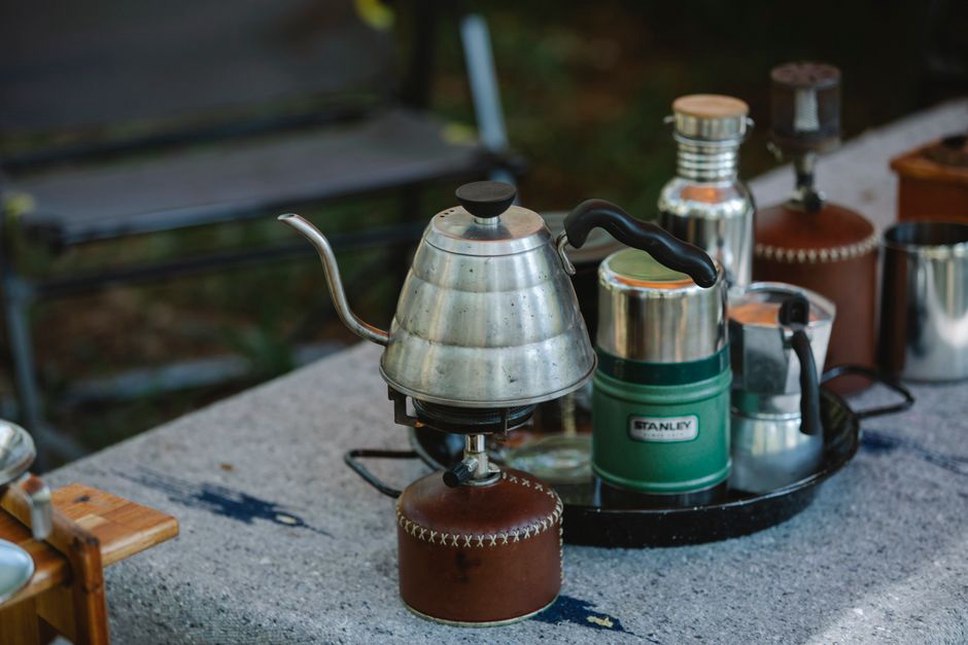
Plan meals from arrival through departure, including breakfast and snacks, before packing the kitchen. Write down what each meal needs. A no-cook lunch, one-pot dinner, and simple breakfast might call for just a camp stove, the right fuel, lighter or matches, pot, spoon, bowl, mug, and serving utensil. Check the stove’s instructions, fuel type, and campground rules before you leave. Use it outdoors and away from tent fabric. Never run a stove or fuel-burning heater inside a tent: both fire and carbon monoxide are risks.
Food that needs refrigeration belongs in a cooler with enough ice or cold packs, kept out of direct sun. If you can’t keep it safely cold, take shelf-stable ingredients instead. Pack a little soap, a sponge or cloth, and trash bags. Find out whether dishwashing is allowed on site and where wastewater should go; food scraps and soapy water don’t belong in a stream.
Food storage depends on the campground
Follow the site’s rules for food, scented toiletries, cooking gear, and trash. Where a food locker or approved bear-resistant container is required, use it; neither a cooler nor a tent takes its place. Even where large animals are not a concern, sealed containers and prompt cleanup help keep smaller animals out. Don’t leave food unattended on a picnic table.
Pack light, hygiene, and a basic safety kit
Give everyone a headlamp with working batteries or a charged battery pack. It leaves your hands free for tent zippers, water containers, and trips to the toilet. A small backup light is useful, too. Your phone flashlight shouldn’t be your only light when the same battery may be needed for directions or an emergency call.
Keep a compact first-aid kit within reach: adhesive bandages, blister care, gauze, tape, personal medication, and supplies for any known allergies. Bring sunscreen and insect repellent if conditions call for them, and follow the labels. A small towel, toothbrush, hand sanitizer, and toilet paper when facilities are uncertain cover common needs. Check for bins; if there aren’t any, pack out used hygiene items.
Download or carry campground directions and a map before you lose signal. Take a charged phone, plus a power bank and cable for a longer trip or uncertain charging access. Tell someone outside your group where you’re going and when you expect to return, especially for a remote site. Know the address or site number you’d give emergency services.
Small tools that earn their space
- Repair supplies: a few strips of strong tape and a tent-pole repair sleeve, if one came with the tent.
- Site basics: a small mallet if the ground is firm, plus a bag for muddy stakes when you leave.
- Clean handling: separate bags for clean clothes, damp gear, and waste.
- Comfort: a camp chair if there’s no seating and you have room to carry it.
These extras don’t justify buying a large tool kit. Borrowing or renting a tent, pad, and stove for a first trip can show you what you’ll actually use before you buy your own.
Use a packing order that catches omissions
Sort gear by purpose, not by where it will fit in the car. Make separate piles for shelter, sleep, clothing, water, food, light, and hygiene, then check them against your plans. This list covers a typical drive-in overnight; adjust it for the weather and site rules.
- Shelter: tent, poles, stakes, rainfly, guylines, and a groundsheet if used.
- Sleep: sleeping bag, insulated pad, pillow, and dry sleep clothes for each person.
- Weather: layers, rain protection, suitable shoes, and spare socks.
- Water and food: drinking water or a confirmed source, meals, food storage, stove and fuel if cooking, utensils, and cleanup supplies.
- Essentials: headlamp, first-aid kit, personal medication, hygiene supplies, map, phone, and charging equipment.
Check the forecast again shortly before leaving. Heavy rain, strong wind, extreme heat, or cold beyond what your equipment can handle may call for a change of plans, not another item squeezed into the bag. Confirm the fire rules, too: a fire ring doesn’t mean fires are allowed, and some sites restrict stoves. If fires are permitted and you plan to have one, find out where to get approved firewood locally; moving wood can spread pests.
Keep your tent, rainfly, stakes, headlamp, and a warm layer easy to reach when you arrive. Before closing the car door, count the sleeping pads as well as the bags. It’s a quick check that can spare someone a cold night on the ground.