
Plan dinner around the evening when you have the least time. If Wednesday gives you twenty minutes between getting home and eating, an hour-long recipe belongs elsewhere. Put a quick meal, prepared leftovers, or a freezer option in that slot first. Once the hardest evening is covered, the rest of the week is easier to arrange.
A beginner’s meal plan doesn’t need seven different dinners, matching containers, or a Sunday spent cooking everything in advance. It needs enough decisions made ahead of time to make shopping manageable and meals possible when plans change. Check the calendar, choose a few meals that share ingredients, and leave room to improvise.
Start with the week you actually have
Before choosing recipes, mark the evenings you’ll be home, the nights you expect to eat elsewhere, and any days when someone needs a packed lunch. Notice which evenings allow time to cook and which barely allow time to reheat food. If your schedule is uncertain, mark it as uncertain rather than assigning every night a fixed meal.
Count the meals you need to provide, not just the days on the calendar. A household that eats out on Friday, makes sandwiches on Saturday, and uses dinner leftovers for two lunches shops differently from one that cooks every meal at home. Check who will be eating, too, so you buy for the people and meals on this week’s schedule.
Then look through the refrigerator, freezer, and pantry. Check use-by dates on perishable foods and note what needs eating soon. A half bag of carrots, leftover cooked rice, and a can of beans aren’t a complete plan, but they can help shape one. This quick inventory also keeps you from buying another jar of something you already have.
Choose a planning window you can maintain
You don’t have to plan all seven days. If your shifts change often or you’re new to meal planning, start with three or four days. Shop again later, or keep a few shelf-stable and frozen foods for the remaining days. A short plan you can follow is more useful than a detailed one you abandon by Tuesday.
It helps to separate the meal plan from the cooking schedule. You can put “bean bowls” down for Thursday without deciding whether to cook the rice Wednesday night or Thursday afternoon. Schedule prep only when timing matters, such as thawing food safely in the refrigerator.
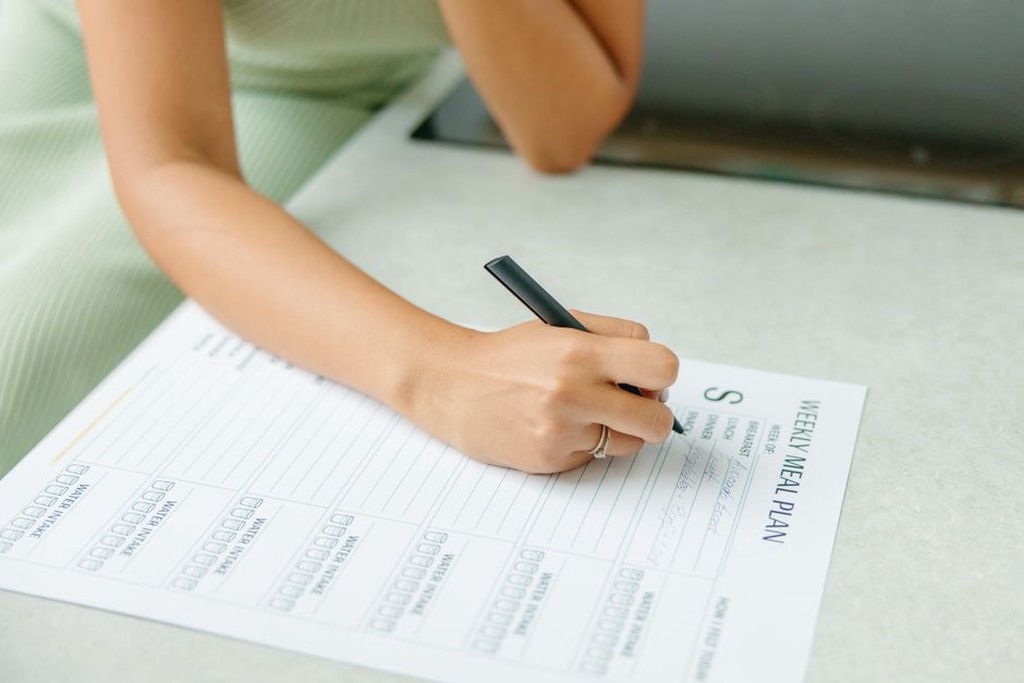
Build a small menu from reusable parts
Begin with two or three dinners you already know how to make. Add one low-effort meal and one flexible meal that can use up vegetables or leftovers. Familiar dishes mean fewer ingredients, techniques, and timing decisions to juggle. Save a new recipe for a quieter day rather than relying on it for your busiest night.
Give each meal a job:
- A cook-once, eat-twice meal: Make enough soup, chili, pasta sauce, or another dish you enjoy for a second dinner or lunch.
- A fast assembly meal: Combine prepared components, such as tortillas, beans, vegetables, and a topping, with little or no cooking.
- A fresh-food meal: Use produce or other perishables that need attention early in the week.
- A fallback meal: Keep the ingredients for something simple on hand in case plans run late.
Those jobs can overlap. A pot of lentil soup might use carrots that need eating, cover Tuesday’s dinner, and provide Thursday’s lunch. You don’t need four separate recipes to handle four situations.
Let ingredients cross between meals
Shared ingredients shorten a shopping list, but they needn’t make every dinner taste the same. A bag of spinach could go into eggs, pasta, and a bowl with grains and beans. Roasted vegetables could accompany chicken or tofu one night and fill wraps the next. Change the seasoning or how you serve them when it helps; you don’t have to buy another set of vegetables just for variety.
If a recipe feels too restrictive, use a loose formula: a protein food, a starch or grain, vegetables or fruit, and something that makes the combination appealing, such as a sauce, seasoning, or crunchy topping. These are building blocks, not a rule that every plate must look alike. Dietary needs, appetite, budget, and what you already have still matter.
Check quantities before committing to a shared ingredient. If one recipe uses two spoonfuls of yogurt and another needs a full cup, the tub size matters. If you buy a large bunch of herbs for a single garnish, decide where the rest will go—or leave it off. Plan around what the package contains, not just what a recipe calls for.
Use a flexible weekly template
A template gives busy nights realistic options without locking every dish to a date. Here’s an example for one person or a small household; adjust quantities for appetite and the number of people eating.
| When | Meal | Why it fits |
|---|---|---|
| Monday, time to cook | Bean and vegetable chili with rice | Makes portions for another meal |
| Tuesday, short evening | Leftover chili with a different topping | Needs only reheating |
| Wednesday, time to cook | Eggs or tofu with sautéed greens and toast | Uses greens while they are fresh |
| Thursday, unpredictable | Frozen vegetables and noodles with a simple sauce | Ingredients can wait if plans change |
| Friday, open slot | Leftovers, a planned meal out, or pantry pasta | Does not assume a fixed schedule |
This isn’t a nutritional prescription or a rule about how often to cook. The point is the mix of fresh, leftover, and shelf-stable options. If Wednesday gets hectic, make the noodles instead. You could cook the greens at lunch, use them in another dish, or freeze them if appropriate. Moving one meal shouldn’t throw off the rest.
Give breakfast and lunch a quick check, even if dinner is the main problem. Pick a few repeatable options you genuinely eat: perhaps toast and eggs, oatmeal with fruit, sandwiches, or leftovers. Make sure there’s enough for everyone, especially when several people use the same bread, milk, or fruit. Otherwise, a forgotten lunch can send you back to the store.
Turn the menu into a useful shopping list
Write down what each meal requires, then cross off what you already have. Group what remains by store section or food type: produce, refrigerated foods, pantry goods, and frozen foods. Add quantities where they matter. “Two cans of beans” is more useful than “beans”; “one onion for chili” helps you spot that another dish needs one too.
Look across the week for ingredients with short shelf lives. If you’re buying delicate greens, berries, or fresh fish, plan to use them promptly or choose a suitable frozen alternative. Foods that keep longer can cover meals later in the week. That way, Thursday’s dinner doesn’t depend on produce that has already deteriorated.
Let your budget shape the list before you enter the store. Compare the menu’s cost with what you can spend, and change meals if necessary rather than hoping the total works out. Beans, lentils, eggs, canned fish, frozen vegetables, and seasonal produce may be useful choices, depending on local prices and dietary needs. A larger package saves money only if you can use or store its contents safely.
Leave room for substitutions. If a planned vegetable is unavailable or expensive, another that cooks in a similar way may work. “Vegetable for stir-fry” gives you more options than a list tied to one exact item. When an ingredient is essential to a dish, though, check the replacement before buying it; not every swap behaves the same way.
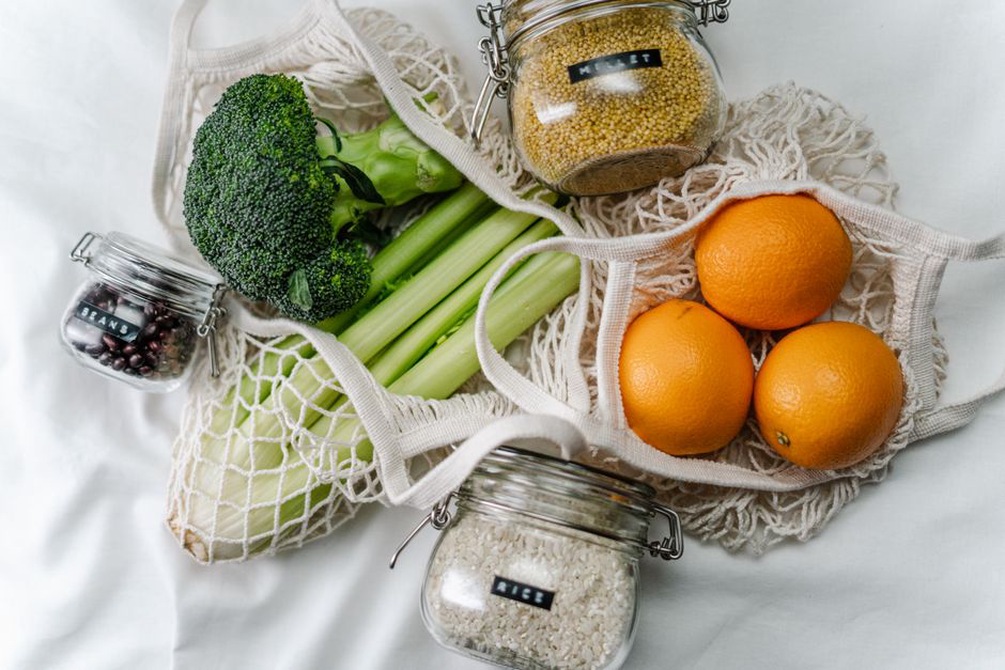
Prep only what will save time later
Meal prep doesn’t have to mean fully cooked dinners lined up in containers. Washing greens, chopping an onion, cooking grains, or mixing a sauce might remove the step that usually stops you cooking on a busy night. Choose tasks that support meals you’ve planned. Preparing five components with no clear destination can create more cleanup and waste than it prevents.
Be realistic about the time you have. In thirty minutes, you might wash produce, cook rice, and portion tomorrow’s lunch. With an hour, you could cook a dish that yields leftovers and prepare one ingredient for later. If Sunday is already crowded, skip the big prep session and use smaller windows during the week. Frozen chopped vegetables or canned beans can be sensible choices when time is tight.
Store and reheat food with care
Put perishable groceries away promptly. Refrigerate cooked food rather than leaving it at room temperature for extended periods; divide large batches into shallow containers so they cool more quickly. Label containers with their contents and preparation date, especially when several meals look alike. Keep raw meat separate from ready-to-eat foods, and follow package instructions and local food-safety guidance for storage, thawing, and reheating.
Plan to eat leftovers soon rather than assuming they’ll still be suitable at the end of the week. If you won’t eat them soon, freeze portions promptly in freezer-suitable containers. Thaw frozen meals in the refrigerator or by another safe method, not on the counter. Reheat food thoroughly throughout. If a leftover looks or smells questionable, don’t taste it to check whether it’s safe.
Give disrupted days an alternative
Keep one meal whose ingredients can wait. Pasta with shelf-stable sauce and frozen vegetables, a bean-and-cheese quesadilla, or soup made from pantry ingredients could fill that role. Choose something your household will actually eat, and replace the ingredients after you use them. A fallback that requires a special shopping trip isn’t much help.
When plans change, check which food is most perishable. Move that meal earlier if you can. If you can’t cook it, see whether its ingredients would work in a simpler dish or can be stored safely for later. Move the shelf-stable meal into the open slot. A missed Tuesday dinner doesn’t have to undo the week.
At week’s end, jot down one or two facts: Which meal produced useful leftovers? What went unused? Which evening left less time to cook than expected? Brief notes can make the next shopping list more accurate without becoming another chore.
For a first attempt, write down three dinners and one fallback, then check the refrigerator before making your shopping list. If a bag of spinach needs using, put it in the earliest dinner and assign what’s left to a second meal. Now the week has a starting point, and the spinach has somewhere to go.