
A budget can balance on paper and still fall apart on the 19th, when an annual subscription renews and the grocery money is running low. That is not necessarily a failure of discipline. A plan built around rent, food, and a few regular purchases leaves little room for bills that arrive unevenly. A budget you can keep using accounts for those bills, ordinary pleasures, and estimates that get better with practice.
You do not need a particular app or dozens of categories. You need to know what is coming in, cover bills before they are due, and review the plan often enough to catch problems. If you buy records, go to small shows, or make music, give those costs a place in the budget rather than hoping they fit into whatever is left.
Begin with money you can count on
Write down your monthly take-home income: what reaches your account after payroll deductions. If you are paid twice a month, add the two expected deposits. If you are paid every two weeks, start with two paychecks for an ordinary month and plan separately for months with a third. Do not base routine spending on an occasional bonus, a possible sale, or an unpaid freelance invoice.
For variable income, look at several recent months of deposits and choose a conservative figure that would have covered most of them, rather than defaulting to the average. If earnings swing sharply, build your first plan around essential bills and minimum debt payments. When a better-paying month comes along, give the extra money a job: refill a buffer, cover an upcoming cost, or pay down debt. If taxes are not withheld from freelance income, set aside what you will owe rather than treating it as spending money. The amount depends on your circumstances and location.
Then check recent bank and card statements, along with any cash spending you can reconstruct. Two or three months can show recurring purchases. Look further back for annual insurance, equipment replacement, holiday travel, or other irregular costs. You are taking stock, not judging every past purchase.
Separate bills from spending that moves around
List obligations with due dates and fairly stable amounts: housing, utilities, phone service, insurance, transport passes, childcare, and minimum debt payments. Write down the date as well as the amount. A bill due on the 3rd has to be covered before a paycheck arrives on the 15th, even if your monthly income is enough overall.
Group flexible essentials next: groceries, household supplies, fuel, and medication that varies in cost. Then add discretionary spending, such as meals out, subscriptions you could cancel, concerts, downloads, and physical releases. Keep categories broad enough to check quickly but specific enough to reveal a squeeze. If restaurant meals repeatedly eat into the grocery money, give them separate lines.
Start with what you have actually spent, not what you wish you spent. A grocery target well below recent spending can make the numbers look tidy while pushing the shortfall onto a credit card. Lower an estimate when you have a plausible change in mind, such as cooking more meals at home or cancelling a particular subscription.
Give irregular expenses a monthly share
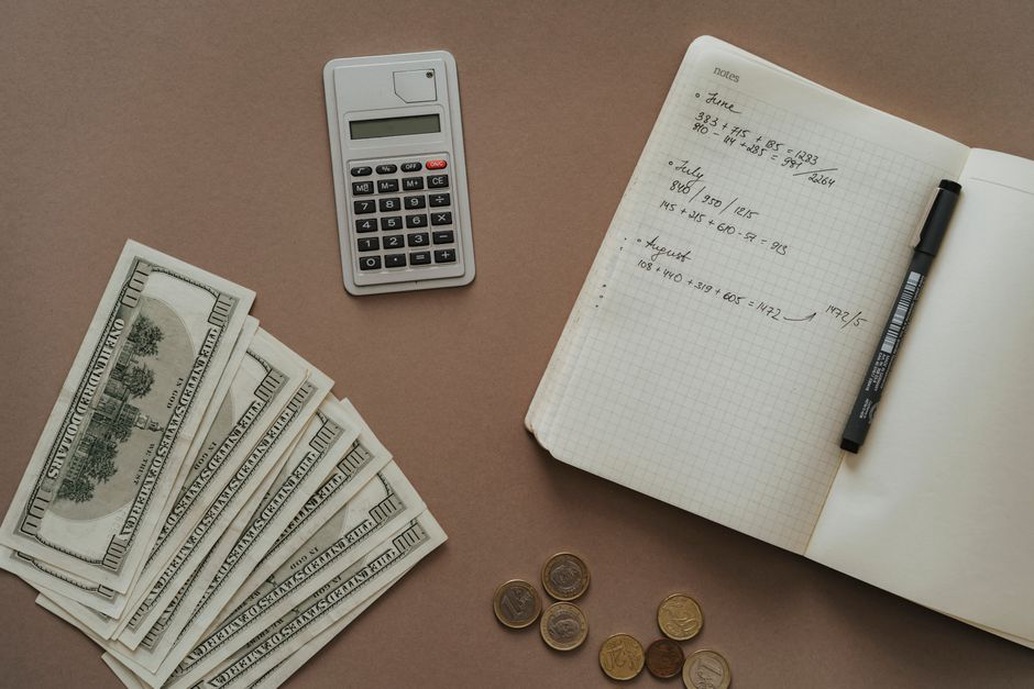
Some costs are predictable, just not monthly. Divide an expected annual bill by 12 and reserve that amount each month. But if a $240 insurance bill is due in six months and you have nothing saved, you need $40 a month until it arrives, not $20. The due date matters.
The same approach works for repairs, gifts, school costs, instrument maintenance, and renewals. These reserves are sometimes called sinking funds; they do not require separate accounts. A line in a spreadsheet or notebook is enough if the money will still be there when needed. Build a separate cash buffer over time for emergencies. An annual subscription you forgot about is not an emergency.
Make the first draft add up
Subtract planned outflows from dependable take-home income. Count fixed bills, flexible essentials, minimum debt payments, irregular-expense reserves, savings contributions, and discretionary spending. Give any remainder a purpose, even if it is just a small cushion for inaccurate estimates. If the result is negative, revise the plan before the month starts. Moving figures between categories will not produce missing income.
Here is a simplified example for a household taking home $3,200 a month. It shows the arithmetic, not recommended spending percentages:
| Category | Monthly plan |
|---|---|
| Housing and fixed household bills | $1,450 |
| Groceries and household supplies | $500 |
| Transport | $250 |
| Minimum debt payments | $200 |
| Irregular-expense reserves | $250 |
| Emergency savings | $150 |
| Flexible personal spending | $300 |
| Small monthly cushion | $100 |
| Total | $3,200 |
The $300 flexible category could cover meals out and music purchases without tracking each separately, unless one starts crowding out the others. The $100 cushion is not money to spend on the first weekend. It covers small differences between estimates and reality; if it survives the month, move it to a reserve or savings goal.
If the draft does not fit, protect housing, food, necessary utilities, work transport, and required payments first. See whether you can reduce a bill, cancel an unused service, or change a due date. Do not assume you can cut every enjoyable expense indefinitely; a modest allowance may be easier to live with than constant refusal. If essentials and minimum payments already exceed dependable income, a smaller entertainment budget will not close the gap. Larger changes may be needed, along with help from a reputable nonprofit adviser or local assistance service where available.
Match the budget to your pay schedule
A monthly total tells you whether the plan adds up. A payment calendar shows whether the money will be there in time. List expected deposits and bills by date, then decide which deposit covers each bill. If rent is due before the month's first paycheck, some of the previous month's income needs to cover it. Calling rent a current-month expense does not change when it is due.
You can keep bill money apart from day-to-day spending in a dedicated account or as a clearly recorded balance. On payday, set aside what you need before the next payday, including a share of larger bills due later. Then work out what is available for groceries and optional purchases. If extra accounts bring fees or transfer restrictions, a written ledger can do the job.
Choose a tracking method you will tolerate
A notebook, spreadsheet, or budgeting app can all work. Choose one you will check while you can still change your spending. For each flexible category, record the planned amount, what you have spent, and what remains; keep the next bills due in view too. Note purchases as they happen or compare transactions with the plan once or twice a week. If you use cards, count a purchase when you make it, not again when you pay the card bill. Otherwise it can appear twice. Existing card debt and its required payment need a separate line.
Automatic transfers can protect money for bills and savings, but time them to actual deposits and leave enough in the account to avoid overdrafts. A low-balance alert or renewal reminder may do more for you than a detailed dashboard you rarely open.
Build a short review into the month
Take about ten minutes each week to compare the plan with what has happened. Check three things:
- Bills due before the next deposit: is the money still available?
- Flexible categories running low: should you slow spending or move money from elsewhere?
- Expenses you missed: record them for next month's estimate.
Moving $30 from a concert allowance to groceries is an adjustment, not a failure, as long as the $30 is actually available. Quietly dipping into an emergency reserve for routine groceries month after month is different: the grocery estimate, or another part of the plan, needs attention. Record any transfers between categories so you do not spend the same money twice.
At month's end, compare estimates with actual spending. Which amounts were too low? Which were higher than necessary? Are any supposed surprises likely to recur? Adjust the next month rather than rebuilding everything because one bill changed. If a category regularly exceeds its limit, give it more room by cutting elsewhere or name a specific, realistic way to lower its cost.
Handle difficult months without abandoning the plan
The plan matters most when income is late or a cost turns out higher than expected. If a deposit is delayed, pause purchases that can wait and list bills by due date and consequence. Contact providers before missing a payment if you may need an extension or hardship arrangement; availability and terms vary. For an essential repair, use the repair reserve first, then reconsider other planned spending. Credit is not a substitute for income unless you have accounted for the repayment dates and costs.
Give debt repayment a clear line in the budget. Minimum payments belong with essential outflows. If you can pay extra, choose an amount that will not leave you borrowing again for ordinary bills. You might prioritize the highest interest rate or a smaller balance for momentum; either way, record what you paid and update the plan when the balance or minimum changes.
A shared budget needs agreed boundaries as well as sound arithmetic. Partners or housemates should decide which costs are joint, who pays each bill, and when reimbursements happen. Nobody needs to itemize every personal purchase, but each promised contribution must be clear. A shared spreadsheet can balance while one person's account runs short.
At your next monthly review, find one recurring cost you missed. Put its next due date beside the amount, divide what is still needed by the number of months until payment, and add that monthly share to the plan before assigning money to optional spending.