
A balcony can look sunny from the living room yet give plants only two hours of direct light. Before buying seeds or pots, check it at several points on a clear day. Note when sun reaches the floor and railing, where shade falls, and whether one corner catches strong wind. What happens on the balcony matters more than its compass direction alone.
Check what the balcony can safely hold
Read the building rules first. Your lease, residents’ handbook or management company may restrict railing planters, drilling into walls, watering over the edge or storing things near exits. Keep fire escapes and access routes clear. If you are unsure about a hanging basket or railing planter, ask before putting it up.
Even a small garden adds weight: containers, wet potting mix, plants, water and the person tending them all count. Large planters concentrate that load in one spot. Do not judge capacity by how sturdy the balcony looks or by what a neighbour keeps on theirs. For heavy containers, raised beds or an older balcony, ask the building owner or a qualified structural professional. Spreading smaller pots across the floor does not remove the need to know the limit.
Keep pots inside the railing unless approved, secure fittings allow otherwise. Wind can turn a loose pot into a hazard. Use saucers to catch routine drainage, but empty them before water spills onto a neighbour’s balcony or leaves roots standing in it. Protect waterproof flooring without covering drains or trapping water against a wall.
Make a short site record
- Light: Count hours of direct sun in spring and summer, rather than judging by brightness alone.
- Wind: Note exposed corners, gusts around the building and how quickly the mix dries.
- Water: Find the nearest tap and a safe route for excess water.
- Access: Leave space to open doors, tend plants and walk without stepping over pots.
Make these observations while standing on the balcony. An overhang can shade a south-facing space; reflected light may brighten another without giving plants direct sun. Wind matters just as much. It dries leaves and potting mix, and can damage tall plants with heavy tops.
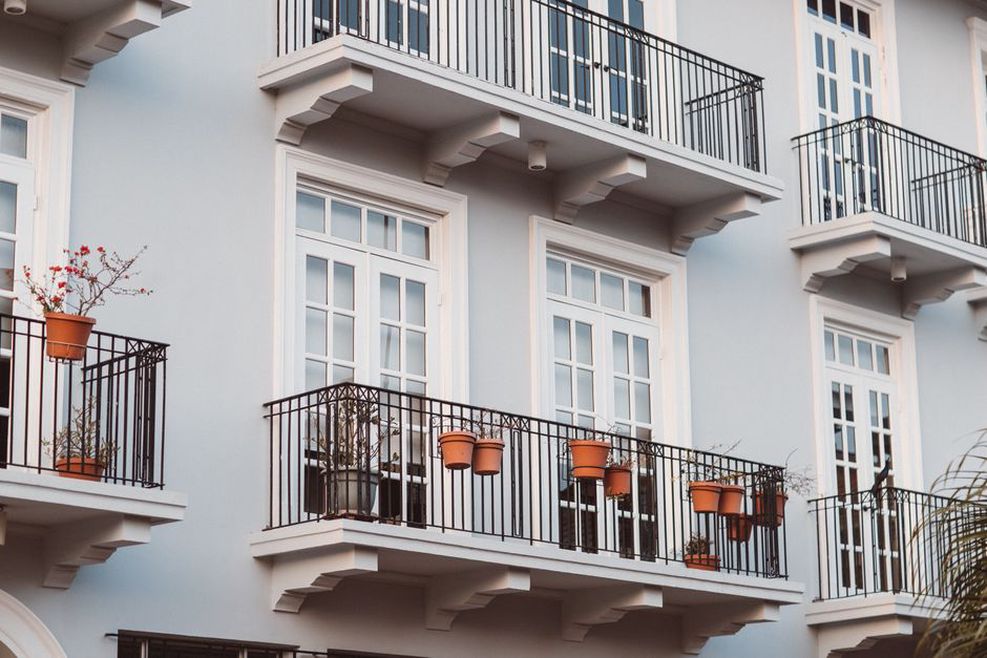
Choose plants for the conditions you actually have
Plant labels usually distinguish full sun, partial shade and shade. Tomatoes, peppers and strawberries generally need plenty of direct sun to produce well. Leafy greens, parsley and some other herbs tolerate partial shade, though they may grow more slowly. In deep shade, foliage plants suited to those conditions may be a better choice than vegetables that struggle to grow.
Consider the local growing season, too. A sheltered urban balcony may be warmer than an open garden nearby, yet still get fierce afternoon heat. Cool-season greens can bolt or turn bitter when it gets hot. Check each plant’s mature size, root needs and required support. Even a compact variety may need a sizable pot to keep producing for months.
For the first season, pick a few plants with similar light and watering needs. On a sunny balcony, that could mean a compact tomato in one container and basil in another. In partial shade, try leaf lettuce, parsley and chives. Separate pots let you adjust watering or move a struggling plant without disturbing the others.
If you want flowers rather than food, look for bloom times that overlap with the months you use the balcony. Locally suitable flowers can provide food for insects, although some pollinators may have trouble reaching a high balcony. A ‘pollinator-friendly’ label alone does not tell you whether a plant suits your climate or building.
Get the containers and growing medium right
Pot size affects root space and how often you water. Small pots dry quickly; very large ones are heavy when wet and harder to move. Choose containers with drainage holes and enough room for mature plants. The Britannica overview of soil explains why the spaces between soil particles need both water and air. Roots need that balance in a pot, too. Without an exit for excess water, even a drought-tolerant plant can end up with waterlogged roots.
Use potting mix made for containers rather than soil dug from the ground, which can compact and drain poorly in a pot. A general-purpose mix works for many common plants; some need a more specialised medium. Leave enough space below the rim to water without an immediate spill, and make sure each pot stands securely, particularly if it is tall or exposed to wind.
Container material changes the routine. Unglazed terracotta loses moisture through its walls and may need more frequent watering. Plastic is usually lighter and holds moisture longer, but a light pot can tip. Heavy ceramic adds stability and load. Self-watering planters can reduce watering frequency; you still need to check the reservoir and prevent prolonged saturation.
A layer of gravel at the bottom of a standard pot does not replace drainage holes. It takes up root space without giving excess water a way out. If runoff is a problem, use a properly sized saucer or an approved drainage arrangement.
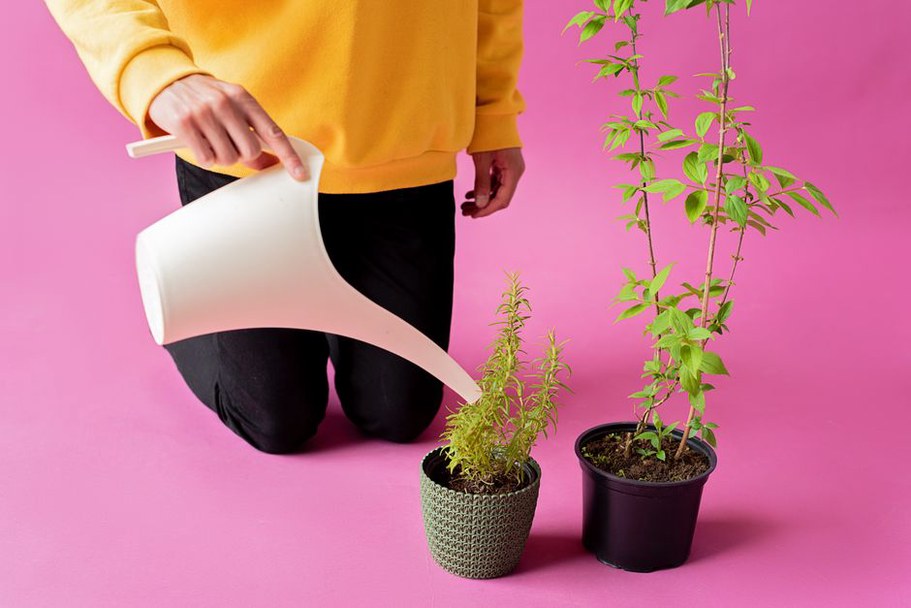
Think vertically without creating a hazard
Shelves and stands add growing room only if they are stable, weather-resistant and allowed by the building. Keep heavier pots low. Secure anything that could shift in strong wind with approved fixings, and do not block a neighbour’s light or a shared escape route. Give climbing plants supports that can hold their mature growth, not just the seedlings you buy in spring.
Plan how watering will work on an ordinary weekday
Balcony pots can dry faster than garden soil because sun and moving air reach them from several sides. Pot size, weather, plant type and growth stage all affect watering, so check the mix rather than following a fixed daily schedule. Push a finger a little below the surface, or lift a manageable pot to learn how it feels when dry. Water enough to moisten the root zone, let the excess drain, then empty any standing water from the saucer.
During a heatwave, a small sunny pot may need checking more than once a day. In cool or rainy weather, that same pot may need no extra water. Afternoon wilting does not always mean dry roots: check the mix before adding more. If you travel often, choose larger, less thirsty containers or arrange reliable care. A small reservoir may not last through a long absence.
Be realistic about the water supply. Carrying a full can through a flat is one thing for three pots, another for thirty. If you collect rainwater, secure the containers, keep drains clear and avoid open standing water where mosquitoes can breed.
Feed and maintain plants without overcomplicating it
Potting mix has a limited supply of nutrients, and repeated watering can wash some away. Follow the label on a fertiliser suited to your plants; too much can damage roots. Check the bag before feeding, since some mixes already contain starter fertiliser. Compost can add nutrients, but large amounts added to an established pot may change how the mix drains.
Look over the plants once or twice a week. Check beneath leaves for pests, remove dead or diseased growth, and loosen ties before they pinch stems. A few insects may need no treatment. If a problem spreads, identify it before using a product, and follow local rules and label directions for anything applied to edible plants. Keep spray from drifting into neighbouring homes.
The arrangement will change through the season. You may harvest and replace lettuce, find that a tomato needs a stronger support, or discover that a tree shades a formerly sunny spot. Note what worked and how often each container needed water. Next year, those details will tell you more than whether a plant survived.
Start with a layout you can adjust
Set out empty containers before filling them. Open the balcony door fully, pull out the chairs and make sure you can reach every pot without leaning over the railing. Leave some room for air to move around foliage. A crowded row against a wall is awkward to water and can leave wet leaves pressed together after rain.
Three containers are enough to test a small balcony: one plant for its sunniest spot, one for the shadier area and an herb you expect to use. Give each a saucer and label, then note where you put it and when you planted it. After two weeks, check the leaves and how quickly each pot dries before deciding what to move or add.