
An out-of-print cassette can still send someone looking for answers months after the first announcement has vanished down a feed. They may want to know how it was recorded, what the music sounds like, or which details are documented and which remain uncertain. A social post can lead them back to that information—if it offers a reason to read, rather than simply asking for attention again.
For a small experimental-music journal, the article should be the lasting reference. Each social post is a temporary way in: a listening observation, a question, or an excerpt that makes sense on its own. The feed’s pace need not set the lifespan of the writing.
Identify what can remain useful
A concert notice has a short practical life, though a later account of the performance may be worth keeping. An explanation of field-recording techniques, a guide to listening to drone, or a documented history of a cassette label can answer questions for much longer. Before planning another post, work out what a reader could still use after publication week.
That does not make every article “evergreen.” Availability and credits can change; artist statements and interpretations may need correction. Reread the page before sharing it again. A good caption cannot rescue outdated information, and an old photograph should not be made to look like evidence of a current release.
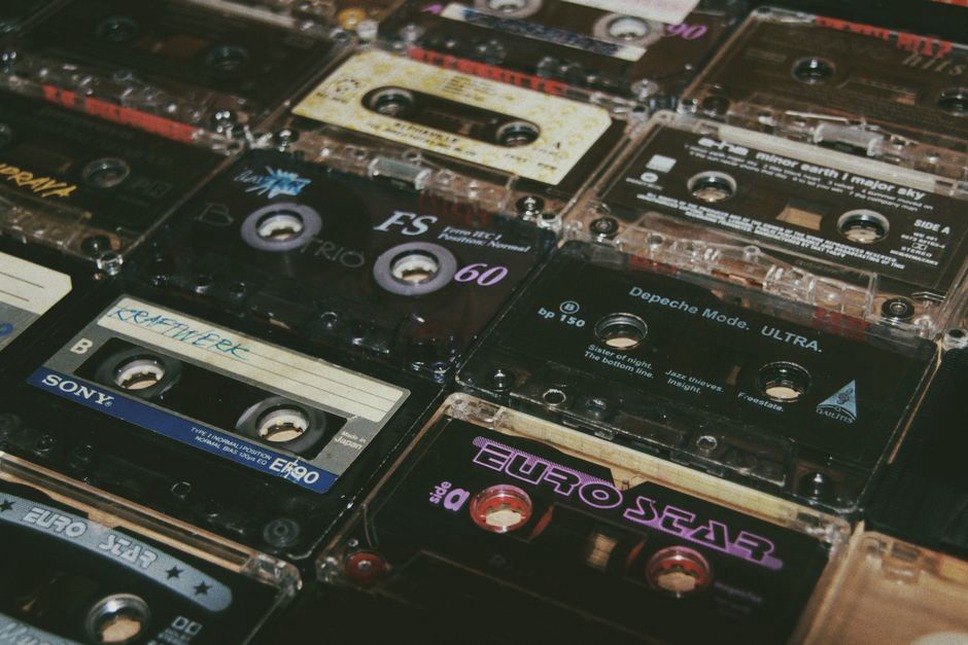
Give each return a reason
Repeating the same title and image every few weeks is easy to automate and easy to ignore. An article about an electroacoustic recording might instead yield one post on the recording process, another on the mix’s sense of distance, and a third on what the research could not establish. Each should offer something useful on its own while giving readers a clear reason to open the full piece.
Build a small set of entry points
- A specific listening detail: describe a change in texture or pacing covered in the article, without insisting that everyone will hear it alike.
- A useful distinction: explain the article’s connection to field recordings rather than letting a photograph of recording equipment stand in for an explanation.
- A documented limitation: be plain about an uncertain date, credit, or source; do not turn a gap in the record into a tease.
- A reader’s practical question: start with something the article answers, not a sweeping promise about a whole scene.
Draft these posts from the finished article and check each caption against the passage it draws on. An interview quotation may need permission or more context; a paraphrase can sometimes be clearer. If a claim applies to one recording or edition, name that recording or edition rather than extending the point to the artist’s whole practice.
Match the post to the platform without changing the claim
A text-led network can carry a brief observation and a direct link. An image-led feed may call for a properly credited sleeve detail or an original photograph, with a caption explaining its relevance. A short video could show the editorial process—checking notes against printed release credits, for instance—without using someone else’s audio as promotional material. The format can change; the basis for the claim cannot.
Check how links work on each platform before assuming a caption will take readers to the article. Where links are hard to use, give readers a clear route through the account profile and name the piece precisely. Test it on a phone. No one should have to dig through several menus to find the article you mentioned.
Rights matter here too. Owning a cassette does not give you permission to upload its audio or artwork for any purpose. Ask when permission is needed, follow creators’ credit preferences, and do not assume a short excerpt is automatically acceptable. Your own listening notes, photographed, or a text-only post may make the point better than an unauthorized clip.
Use timing as an editorial decision
Long-term promotion does not require constant posting. You might share the article when it appears, return to it after readers have had time to respond, then bring it back only when there is a real reason: a relevant discussion, a substantial correction, or a new piece that puts the older one in context. The passing of a few weeks is not, by itself, a reason. Neither is a quiet publishing schedule.
Keep a simple record: article URL, angle used, post date, rights permissions, and anything to check before reuse. It helps contributors avoid near-identical captions and track corrections across platforms. If a post contains an error, correct the article where needed, then correct or remove the post. Otherwise, the inaccurate claim keeps circulating even after the page has been repaired.
Notice what the response actually shows
Views and likes tell you a post was seen and drew some reaction, not that anyone read the article. Where measurement is available, compare visits from a post with activity on the page, bearing in mind privacy settings and incomplete referral data. Keep meaningful replies separately. A listener’s question might show that a term needs defining; a correction might reveal a missing credit. Neither means the loudest response should dictate the article.
Small-audience numbers can swing sharply. Compare posts made for similar purposes instead of declaring a format successful because one travelled unusually far. For a specialist publication, a handful of people reading a carefully sourced article may matter more than a large response to an image alone.
Keep an exit from the feed
The journal’s own site keeps citations, corrections, and sustained arguments together. Social platforms can change how posts appear, bury older material, or make archives difficult to find. Keep article addresses stable, retain the context around quotations, and make the linked page readable without an account. The post should point to the record, not become its only surviving version.
Before sharing an older article, open it and check whether its central claim still holds. Check whether the material you plan to use needs fresh permission, then test the link on a phone. Write the caption around a specific passage worth returning to—not the date the article first appeared.