
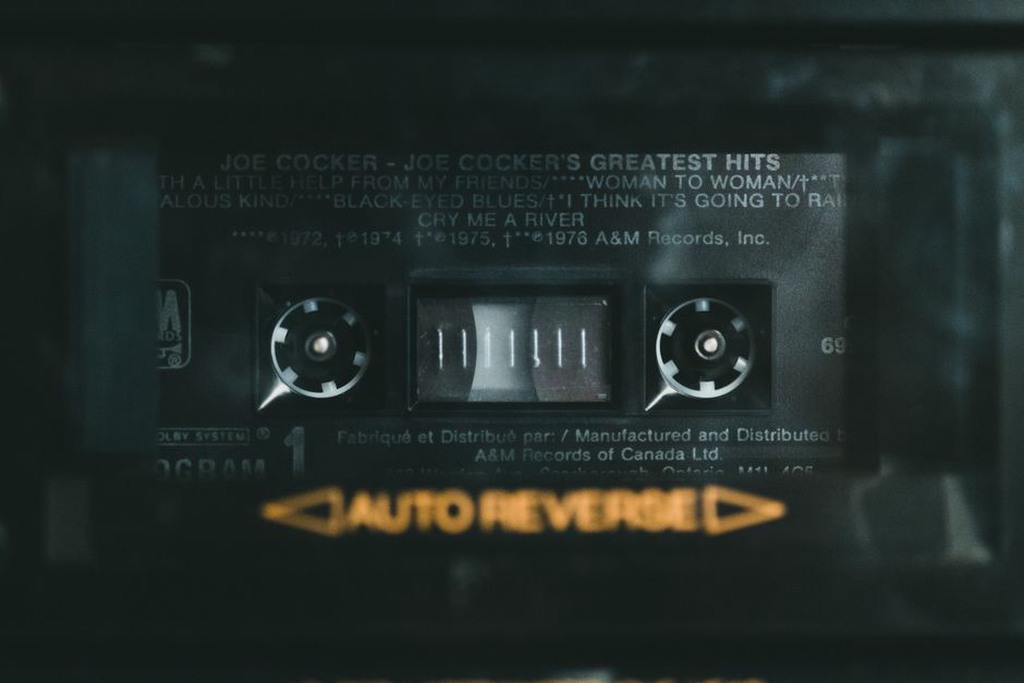
A photograph of a cassette sleeve can answer questions that take several sentences to explain: which side is A, where the label credit sits, whether the edition includes a printed insert. Put the photograph beside the relevant passage and readers can check the details for themselves. It earns its place by showing evidence, not by filling a gap between blocks of text.
Other images have quieter jobs. They can give the eye a pause between distinct ideas or help a reader pick up the thread after scanning ahead. In writing about noise, ambient, drone and electroacoustic music, a post may move between listening impressions, recording methods and the object carrying the sound. A visual can mark that change of subject without claiming to explain what the music sounds like.
Give each image a job
Before adding an image, ask what question it answers. A photograph of a cassette spine might help a collector identify a release on a shelf; a close-up of an insert might make a faint credit readable. A simple signal-flow diagram can clarify how a field recording was processed, but only if the steps are known and labelled accurately. If there is no question to answer, the image is probably decorative.
That is not necessarily a reason to leave it out. An atmospheric photograph can set a visual rhythm in a long essay. A generic picture of headphones, though, adds little to a paragraph about tape hiss or feedback. It might even suggest a particular setup, venue or recording location that the writer cannot verify. Make clear when an image is illustrative rather than documentary, especially if readers could take it as evidence.
Match the visual to the claim
Keep an image close to the passage it supports. Show two sleeve designs alongside their comparison, not several paragraphs later. If a diagram explains a recording chain, introduce its components in the order they appear. A caption can identify what is shown, flag an uncertain detail or say that a photograph is illustrative rather than release-specific. It should not be the only place a necessary correction appears.
Use visual breaks without breaking the argument
Images can give a long post visible sections, but place them after a complete thought. Someone following an account of how a sustained tone changes over a recording should not meet an unrelated photograph between the observation and its qualification.
A change of scale often makes a natural break: a close reading of sound gives way to the physical format, or an instrument to the room in which it was recorded. In an essay on resonance, a diagram might show the relationship between a vibrating object and a microphone. It cannot convey the experience of hearing that resonance. The prose still has to do that work, as it does when writing about resonance in Japanese sound art.
Another picture is not always the answer to a dense passage. A heading, a shorter paragraph or a brief list may clarify the logic with less interruption. Likewise, a gallery of nearly identical sleeves may make comparison harder than one well-chosen view with readable labels. Choose the view that helps the reader make the comparison, not every file you have.
Make the pictures readable too
Check what survives on a narrow screen. A wide photograph with tiny writing may look persuasive on a desktop while hiding the credit it is supposed to reveal on a phone. Crop toward the detail if you can do so without losing necessary context. When both the whole object and a small inscription matter, use two views or describe the inscription in the text rather than asking readers to zoom into a compressed file.
- Check scale: view the image at mobile width. Can readers make out any text they need?
- Check contrast: pale lettering on pale paper may disappear after resizing.
- Check order: follow the sequence of the prose, so each image makes sense when encountered on its own.
- Check necessity: cut repeated angles that add no information.
File size matters too. An oversized photograph can delay the text it was meant to support. Export at a resolution suited to the displayed width, choose an appropriate modern image format where supported, and compare the exported version with the original before publishing. Heavy compression can blur fine print and diagram edges. A quicker page is no improvement if the evidence becomes unreadable.
Write alt text for the information, not the mood
Alt text makes relevant image content available to readers using screen readers; it also appears if an image fails to load. Describe what matters here: “Handwritten track list on the cassette insert” tells a reader more than “mysterious underground music aesthetic.” If the wording could describe every image in the post, it is too vague. Explain a complex diagram's meaningful relationships in the prose as well; a short alt attribute may not be enough.
Do not put guesses in alt text. The appearance of an unlabelled tape deck does not establish its maker, model or role in a recording. Apply the same care to captions. A confident mistake can leave readers with different accounts of the same image.
Know when a sound needs words instead
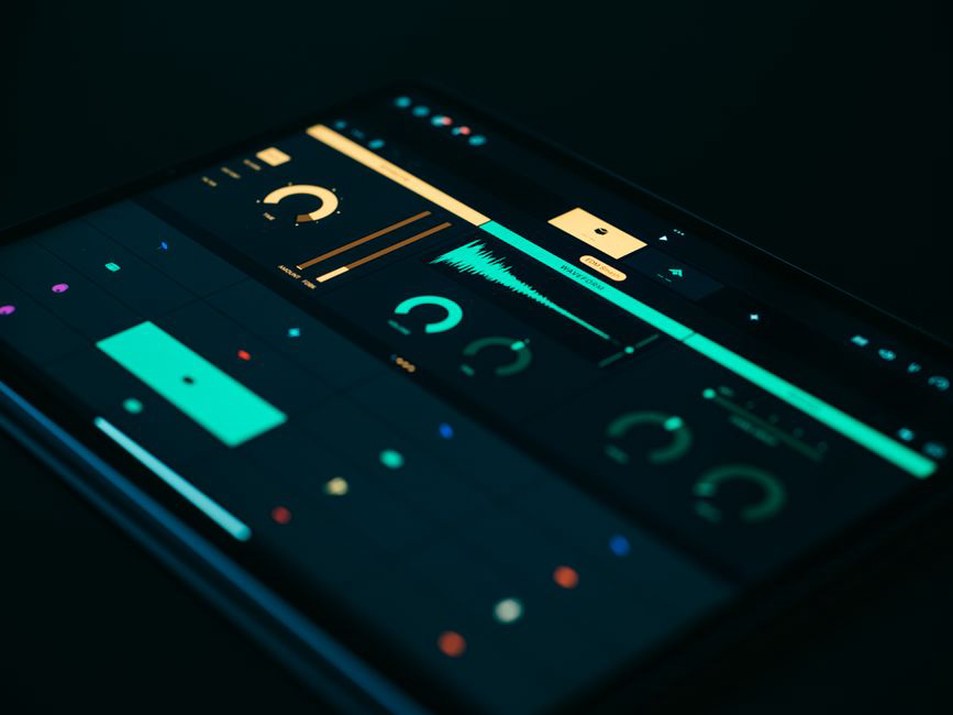
A photograph can document a contact microphone, a rehearsal space or release packaging. It cannot establish the frequency balance of a drone or the texture of a field recording. A waveform can reveal broad changes in level over time, but it cannot tell a reader whether a sound feels abrasive, distant or quiet. Let the visual show what it can; use precise language for the audible event.
Rights and context matter as much as placement. Release artwork and archival photographs are not automatically free to reproduce just because they are easy to find. Check permission or applicable rights before publication, retain credits where required, and do not present an unverified scan as an authoritative edition. If a useful image cannot be published, a careful description is better than a loosely related substitute.
For the last edit, hide the images and read the post straight through. Can the argument stand without them? Then bring them back and check what each adds. If a cassette photograph is there to clarify a printed credit, open the published page on a phone: the credit, not just the cassette, needs to be visible.