
“Will this cassette play on an ordinary deck?” gives a writer more to work with than “Why cassettes matter.” There’s a decision to make, a piece of equipment to check and a possible disappointment to avoid. An answer can distinguish a standard compact cassette from an unusual format, show what to look for in a listing and say what remains unknowable without inspecting the release. The broader title may never get that far.
For an independent music shop, label, venue or publication, questions come in through email, comments, conversations and order notes. They show where an explanation is missing, though they aren’t automatic assignments. Before turning one into a post, work out what the person needs, what you can verify and whether others would benefit from an answer.
Collect the question without losing its context
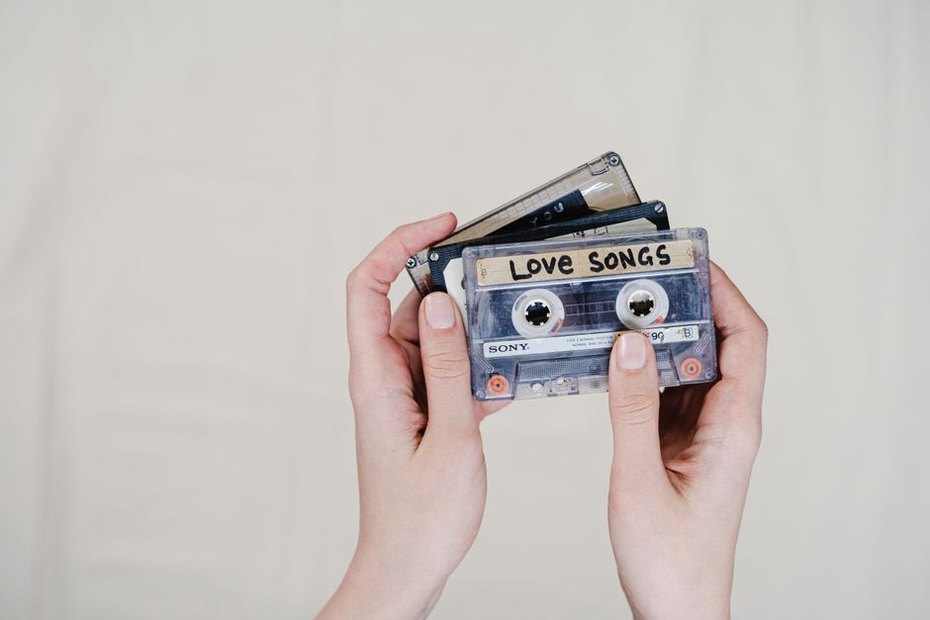
Keep a simple question log rather than relying on memory. Record the person’s wording, where and when the question came up, the relevant release or event, and whether anyone has answered it. Remove names and other identifying details unless the person has explicitly agreed to be quoted. A question about one cassette may raise a broader playback issue, but the answer for that copy could still depend on its packaging or condition.
Keep the original wording beside any editorial interpretation. “Is the quiet part supposed to be there?” could point to intentional silence, a recording fault or an incomplete upload. Rewrite it only as “the role of silence in experimental music,” and you lose the problem the listener was trying to solve. The broader subject might be worth pursuing, but keep it as a separate note.
Separate an individual problem from a reusable question
A missing parcel, a refund request or a question about damage to a particular copy needs a direct reply, not a blog post in its place. A public explanation helps when the uncertainty is likely to recur and can be discussed without exposing someone’s correspondence. “How should I inspect a used experimental-music record?” can serve other readers; “Why was my order delayed?” usually cannot.
Look for repeated decisions, not just repeated wording. One person asks whether a cassette has a digital edition; another asks whether a download is included; a third cannot tell which format a listing describes. The listing needs clearer format labels first. A post can then explain distinctions that won’t fit comfortably on every product page.
Find the task underneath the question
Questions about experimental music can sound like requests for definitions when the listener really needs help deciding what to do. “What is drone?” might mean “How can I tell whether this recording is for me?” “Are these field recordings?” might mean “Will I hear identifiable places, or heavily processed sound?” Keep that practical need in view without suggesting that every release under a broad label sounds alike.
If you can, ask a brief follow-up: “Are you asking about the recording method, or what the finished piece sounds like?” If you can’t, state the scope in the post. Audible birds or traffic in an electroacoustic work, for example, don’t prove how it was made. Listening may suggest possibilities; production claims need credits, notes or a reliable account of the process.
The task behind a question often suggests the form of the post:
- A decision guide: what to check before buying an unfamiliar format or attending a loud performance.
- A distinction: how a documented reissue differs from an unidentified transfer circulating online.
- A listening guide: what changes to attend to in a sustained tone, without prescribing a correct reaction.
- A research method: how to compare conflicting dates or credits without treating a copied listing as independent evidence.
- A troubleshooting explanation: how to distinguish likely playback problems from properties documented in the recording.
None is a ready-made headline. Each needs a limited subject, evidence and an answer the publication is equipped to give.
Choose topics by usefulness, not volume alone
A question asked once may matter more than one asked ten times. Repetition can reveal a common confusion, or just one unclear page that needs fixing. Before assigning a post, ask what someone could do with the answer: make a decision, listen more closely or understand a documented limitation. Then check whether the evidence can support it.
A short triage note beside each question helps:
- Who needs the answer? A first-time listener, a collector, a performer or someone trying to identify an archive fragment?
- What changes after reading? Can the person check a format, compare accounts or ask a more precise question?
- What evidence exists? Are there credits, physical copies, recordings or firsthand explanations to consult?
- What should happen elsewhere? Does a listing, FAQ, event notice or customer reply need correcting first?
If the evidence is thin, mark the topic for research. Poorly documented noise releases and circulating files invite stories about their origins, but a satisfying story is no substitute for a source. You can set out what is known, where accounts disagree and how to assess a copy without inventing a provenance. Questions about the unidentified fragment explored in The Mystery of z2 1: A Japanese Noise Fragment, for instance, need a clear line between evidence and inference.
Build a post around a bounded answer
Write a one-sentence answer before drafting the headline. For “Can I identify a Japanese noise release from an unlabelled audio file?”, that might be: audio can offer clues, but identification needs corroboration from a trustworthy track list, artwork, file history or an authenticated copy. The limit keeps an intriguing question from becoming an unsupported attribution.
Put the checks in the order someone could actually perform them. Start with what they have: the file name, duration and accompanying notes. Move to comparisons, remembering that matching durations are weak evidence if a file contains silence or edits, or has been played back at a different speed. End with what remains unresolved. For a format question, begin with the physical item, compare it with the seller’s description and ask for confirmation before buying if the answer is still unclear.
Examples should show the method. For a possibly faulty quiet passage, a listener could replay it, try another device if one is available and compare documented versions. No single check proves artistic intent. The useful answer explains how far those checks take you—and where certainty runs out.
Give the headline the same limits as the answer
“How to Verify an Unlabelled Noise Recording” promises more than a reader may be able to do. “What to Check Before Identifying an Unlabelled Noise Recording” allows for an inconclusive result. A question about one release should not become a claim about all Japanese ambient music, either. A narrow headline gives the reader an honest expectation and the writer a manageable task.
Check existing coverage before commissioning another post. If the answer is there but hard to find, improve the heading, add the missing example or point readers to it from the relevant page. A new post should offer a different procedure or distinction, not just swap “cassette” for “vinyl” in an existing outline.
Return the answer to where the question arose
Publishing a post won’t fix the original point of confusion. If people keep asking whether a release includes a download, say so in the release description. If an event’s sound level is uncertain, put the clearest available information in the event notice; attendees shouldn’t have to hunt through an essay. The post can explain the reasoning, but the listing or notice must give the immediate fact.
Keep the log open after publication. Follow-up questions may expose a missing step or a term readers understand differently. Revise the post when a credit is corrected, a format is confirmed or better documentation turns up, and record material corrections. An answer can remain useful without pretending to be final.
Start with a concrete entry: “Can I play this cassette on a standard deck?” Note the release, the format stated on its packaging, what you haven’t checked and whether the listing needs a clearer label. If the broader explanation becomes a post, it can begin with the same practical check: confirm the format of the item in front of you rather than guessing from the word “tape.”