
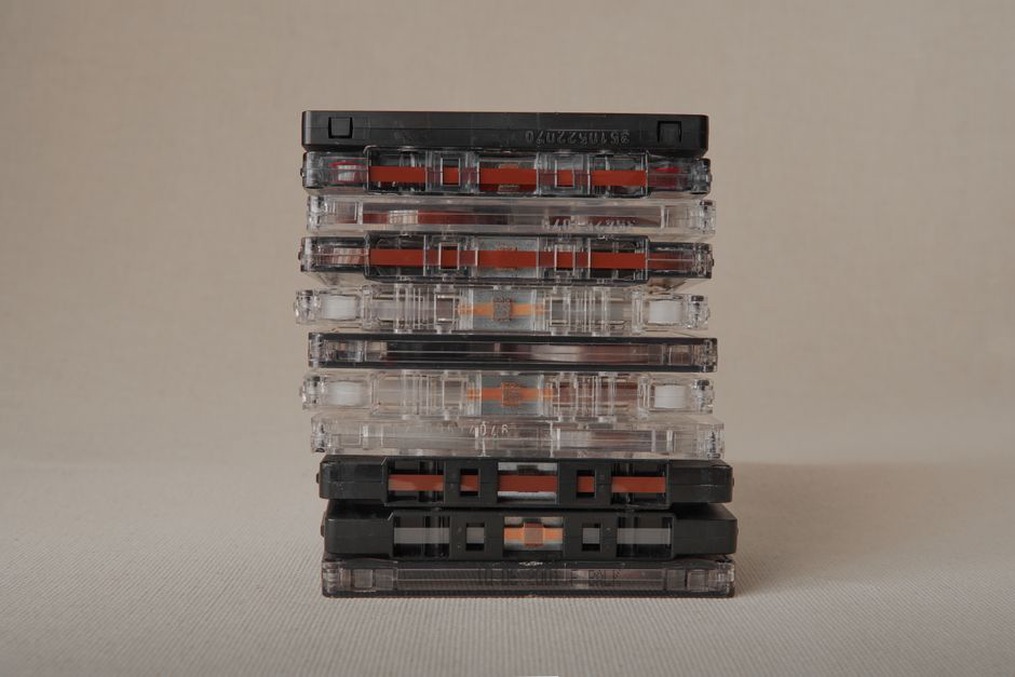
A string like cosmic151230 520×700 appears on a limited-run cassette, burned into the spine with a label maker or hand-stamped on the j-card. It is not a random sequence. It follows a logic shared by dozens of Japanese underground labels: a label prefix, a date stamp, and a physical or digital dimension. Understanding this code tells you more about the release than any artist name alone.
The 'cosmic' Prefix: Label or Artist?
The first part, cosmic, is almost certainly the label or artist shorthand. Many Japanese DIY labels adopt a single word or short phrase—Cosmic, Pulsar, Void—to avoid the formality of a full name. In this case, cosmic could refer to Cosmic Records, a low-profile netlabel active in the mid-2010s, or to a project name like Cosmic Noise that uses the label's catalog numbering system. The prefix is the anchor; it tells you that this release belongs to a specific series. Without it, the numbers would be floating identifiers.
151230: A Date Stamp in YYMMDD Format
The next six digits, 151230, are a date: December 30, 2015. Japanese underground labels frequently use the YYMMDD format to catalog releases in chronological order. This is practical—it avoids confusion with Roman numerals or ambiguous month/day orders. The date may indicate the day of the recording session, the day the master tape was finalized, or the day the first batch of cassettes were dubbed. December 30 is a common date for last-minute releases before the year ends; many labels rush to get a final tape out before the new year. If you see a date like 151230, you can be reasonably certain the tape was produced in the final days of 2015, which places it in a specific period of the label's activity.
520×700: Dimensions of the Physical Object
The second part, 520×700, is the most puzzling. It appears after a space, suggesting a separate piece of metadata. The format number x number strongly resembles image dimensions in pixels. In the world of digital-only releases, labels often include the intended cover art size in the file name or catalog entry. 520×700 pixels is a non-standard aspect ratio—closer to 3:4—which could mean the cover was designed for a specific mini-j-card or a custom insert that required a portrait orientation. Alternatively, it could refer to the physical size of the cassette shell in hundredths of millimeters? 520 mm × 700 mm is obviously too large for a cassette. A more likely reading is that this is the number of copies: 520 copies of the cassette, and the release is part of a series limited to 700 total? But the 'x' usually denotes multiplication, not range. The most consistent interpretation in Japanese underground cataloging is that 520×700 is the cover resolution, probably in pixels, used for the digital version of the release that accompanies the physical tape. Many labels upload cover scans at exactly that resolution to save bandwidth on their blog or Geocities mirror.
The Role of Catalog Numbers in the Underground
Catalog numbers like cosmic151230 520×700 are not just inventory tags. They carry the label's internal logic: the date of production, the format specification, and the submission order. In the Japanese DIY scene, where names are often avoided to keep the focus on the sound, these numbers become the primary identifier. They also serve as a protection against counterfeiting—a hand-numbered stamp with a date and dimension is difficult to replicate without access to the original label maker. For collectors, decoding these numbers is a skill that reveals the release's place in the label's timeline and its physical characteristics. The cmvc520: Decoding the Catalog Number of Japanese Underground article discusses a similar system, where the prefix 'cmvc' and the number '520' indicate a specific series and edition. The same principle applies here: cosmic is the label, 151230 is the date, and 520×700 is the format code.
Common components of a Japanese underground catalog number include:
- Prefix – label or artist abbreviation (e.g., cosmic, hz, nm)
- Date – YYMMDD or YYMMDDHHMM for precise timestamp
- Dimension – cover art resolution in pixels, or shell size code
- Edition suffix – e.g., 'A', 'B', 'lim' for limited edition
These numbers are often handwritten on the cassette shell or j-card using a fine-tipped marker, adding a tactile layer to the release. The absence of a tracklist or artist name is intentional—the listener is expected to know the context or to discover the sound without preconceptions.

Why Not Just a Name?
The preference for numbers over words in this scene is not arbitrary. Naming implies branding, a fixed identity that can be marketed. A code like cosmic151230 520×700 is ephemeral—it anchors the release to a moment in time and a physical object, not to a personality. This aligns with the DIY ethos of the Japanese underground, where the music is meant to be heard, not marketed. The collector who encounters this code on a tape knows that the label valued the date and the cover dimensions over any conceptual title. It is a practical, almost anti-artistic gesture that paradoxically becomes part of the art.
Decoding in Practice
If you come across a tape labeled cosmic151230 520×700, the first step is to verify the date. Check if December 30, 2015, matches any known activity from the label—perhaps a series of releases that month. Next, look at the cover art dimensions. If the digital file is exactly 520×700 pixels, the label likely used that resolution for the Bandcamp or blog post. The '520' may also be a coincidence with the catalog number from the cmvc520 article, but that is a different series—the prefix 'cosmic' distinguishes it. Finally, note the space between the date and the dimensions: this suggests the label used a two-field system, perhaps separating the chronological identifier from the format descriptor. Such details are the breadcrumbs that lead collectors deeper into the labyrinth of Japanese underground cassette culture.