
A silent passage on a recording may still contain a performer shifting, ventilation in the room, or hiss from the recording system. Raise the volume too far and those traces can become louder than the artist intended. The first question is practical: has the sound stopped, become very quiet, or been deliberately held back?
That question matters in Japanese experimental music associated with onkyō, free improvisation, electroacoustic work and noise. These practices do not form one school, and a pause need not express a philosophy of stillness. It might mark a compositional interval, an improviser declining to answer another player, or the point at which a fragile sound falls below audibility. Listen for what the quiet does in the piece.
Silence as a change in attention
Much recorded music establishes a foreground and keeps it there. A quiet performance can reverse that relationship. The distance between small clicks may become more compelling than the clicks themselves; an electrical hum can seem prominent during a sustained near-silence. There is no hidden melody to uncover. The work has changed which events draw attention.
Playback changes the balance. Headphones may reveal faint contact sounds that loudspeakers fold into room noise. On speakers, your own space joins in: a refrigerator switching on may seem as loud as a low-level passage. Neither setup is inherently more faithful. Start a recording with very soft material at a moderate volume, then raise it only enough to hear the details. A sudden attack may follow a long quiet stretch.
Onkyō and the problem with calling quiet music silent
Onkyō is often used for a strand of Japanese experimental improvisation associated with Tokyo around the turn of the 2000s. The word can be translated as “sound,” but the label points less to a fixed timbre than to close attention to small events, restraint and performance conditions. Toshimaru Nakamura, Sachiko M and Taku Sugimoto have all been associated with this area of practice, though their instruments and choices differ considerably.
Nakamura’s no-input mixing board makes the distinction between quiet and silent especially clear. Routing a mixer’s outputs back into its inputs allows it to generate tones and feedback without an external sound source. The results may be faint, abrupt, sustained or piercing. Quietness is not built into the instrument; it is a choice about level, duration and when to let a signal stop. Sachiko M’s sine-wave work also shows how spare material can hold attention without behaving like conventional ambient music.
Accounts of onkyō sometimes overstate the stillness and miss the activity. A barely audible signal is still being produced. Waiting is a timing decision. In an ensemble, one musician’s silence can expose another’s sound rather than create a shared void. Follow a player’s entries and exits, and the recording stops sounding like one uniformly quiet surface.
Four things to track in a sparse performance
- Duration: Does a pause recur at roughly the same length, or change with the other sounds?
- Decay: Does the next event wait until the previous sound has faded completely?
- Level: Does the quiet reveal a faint sound, or remove the foreground altogether?
- Response: After another performer acts, is the silence an answer, an interruption or simply an independent choice?
These details tell us more than calling every gap restrained. A pause after a sharp tone leaves room for its decay; a pause before it makes the attack harder to predict.
The force of withholding in noise
Beside harsh noise, silence can make the structure of a dense piece easier to hear. A hard cut separates blocks of sound more decisively than a fade. A short gap resets the ear before the next burst; a longer one can leave you unsure whether the piece has ended. The effect comes from contrast and expectation, not necessarily contemplation.
Merzbow’s extensive catalog often serves as shorthand for Japanese noise. That shorthand can obscure a recording’s shifts in density, frequency and interruption. Rather than treating noise as continuous and silence as its opposite, listen at the point where a texture drops out. Does a low frequency remain? Does the cut expose tape hiss or room tone? A sudden drop in level can matter as much to the form as the loudest passage.
The format complicates matters. Cassette hiss may fill an intended gap, while digital zero in a file can sound stark. Neither necessarily reveals the artist’s intention: the medium, transfer and mastering all affect what reaches the listener. A faint residual sound might belong to the performance or to the document of it.
Room sound is not a national aesthetic
Western accounts sometimes explain Japanese experimental quiet by invoking Zen or an assumed national comfort with silence. That shortcut passes over microphone placement, room acoustics, amplification, performer interaction and editing. It also groups artists with incompatible methods under one cultural trait. Start instead with what can be heard and what is known about how the work was made.
At an unamplified performance, a soft instrumental gesture may compete with breathing, a shifting chair and street noise. Close microphones can make that same gesture conspicuously loud on a recording. Room sound is not a transparent record of the live event. Its balance depends on where the performers and microphones were placed and, on a release, on later production choices.
Pauses, low levels and digital zero
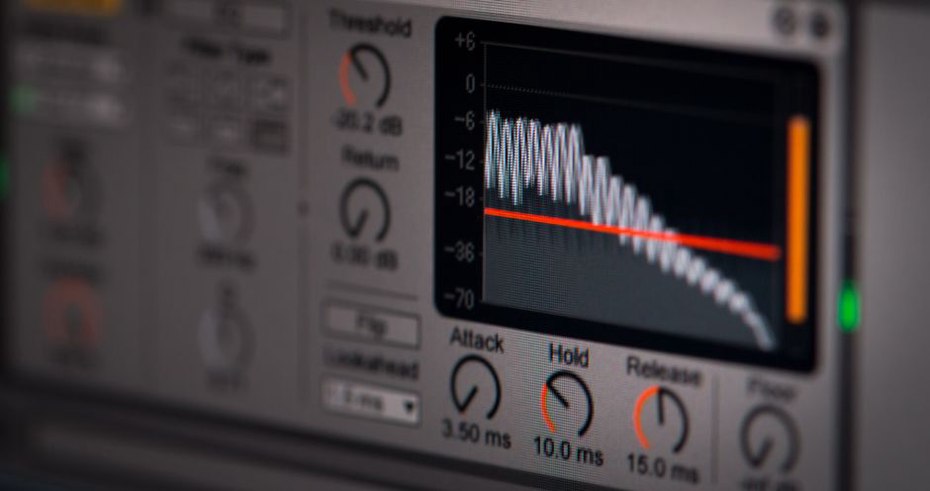
“Silence” can mean several things. A performer pauses, but the room remains audible. A device continues to output an extremely low signal. An editor inserts digital zero, leaving no signal in the file for a measured interval. Without a waveform or reliable production notes, a listener may not be able to tell which occurred. Even a waveform display can miss sounds below its visible scale.
That uncertainty need not lead to vague description. Say what the evidence supports: “no instrument is apparent,” “a thin hum continues,” or “the track cuts off sharply.” Such distinctions matter when musicians and collectors compare editions or recordings of the same performance.
Listening without filling every gap
Sparse music invites two opposite assumptions: that every audible trace was intended as part of the piece, or that faint details are merely equipment noise. Neither is safe. Compare repetitions. A small click that returns in a consistent relationship to a tone may matter structurally; a buzz that persists unchanged across every track of a transfer may come from the recording chain. The answer may remain uncertain, but the comparison gives you grounds for judging it.
For a first listen, keep the volume fixed throughout the piece and note each substantial shift between sound and near-silence. Then return to one boundary. When a high tone stops, does its decay overlap the next event, end cleanly, or give way to a different background sound? Those few seconds may reveal more about the use of silence than the total number of quiet minutes.