
A clean-looking Japanese noise LP can still disappoint the moment a quiet passage starts to crackle. Surface noise buried by a dense section becomes hard to ignore when the music falls nearly silent. Before buying, ask how the record plays, not just how the sleeve looks. In experimental music, the space between sounds may matter as much as the sounds themselves.
An artist’s name and a title won’t tell you which record you’re getting. A work might have appeared first on cassette, then CD, then vinyl with a different sequence or mastering. Another LP might document one performance rather than a fixed studio work. Compare editions by their audio, format, packaging and documented history.
Start with a listening question, not a rarity list
“Japanese experimental music” is not one sound or one period. Masami Akita’s Merzbow recordings, Otomo Yoshihide’s turntable and ensemble work, and the sustained tones associated with Yoshi Wada ask different things of a listener. They raise different questions for a vinyl buyer, too: do you want a particular mix, a live performance, the sequence of LP sides, or simply a way to hear the music?
A small collection can grow from that answer. If electroacoustic work draws you in, compare how editions handle edits and low-level detail. If you follow noise performances, find out whether a record comes from a concert tape or a studio construction. With ambient and drone records, consider the side break: it can interrupt an extended piece or provide a purposeful pause. Vinyl shapes the experience, but it is not always the best format for a recording.
Nor is it the natural home of an underground scene with strong cassette, CD and digital histories. Some useful releases never appeared on LP. Passing over an accessible edition that serves the music well because a vinyl copy is collectible is a choice, not a necessity.
Identify the edition before judging the price
Artist and title are only the start of a listing. Check the label, catalog number, track sequence, runout inscriptions and any mastering or cutting credits against photographs of the copy for sale. Jackets can be paired with different pressings, and sellers sometimes copy descriptions from other editions. The runout area—the smooth band between the last groove and the label—may carry identifiers absent from the sleeve.
Treat original, reissue and first on vinyl with care. A first vinyl edition can follow the initial cassette or CD by decades. A “reissue” might reproduce the earlier release, assemble a new program or contain changed audio. Start with the record and its credits rather than marketplace shorthand.
Questions worth settling before purchase
- What recording is on it? Check whether it contains the original program, an excerpt, alternate material or a performance recorded on a different date.
- What changed for vinyl? Look for a revised track order, side breaks, edits and mastering credits. The format alone tells you nothing certain about the source tape or mastering method.
- What is included? Check the actual copy for inserts, printed inner sleeves, booklets or obi strips where applicable; don’t assume every copy has them.
- How was it identified? Clear photographs of the labels and runouts are more useful than an unsupported pressing claim.
Packaging matters, but it cannot replace listening. An obi is a paper strip associated with many Japanese releases, not proof of a particular pressing or sound. Its absence affects completeness and sometimes price; it does not change the grooves. A plain sleeve, meanwhile, does not imply a simple release history. Hand-assembled objects need careful descriptions of what is present, especially when there are few printed identifiers.
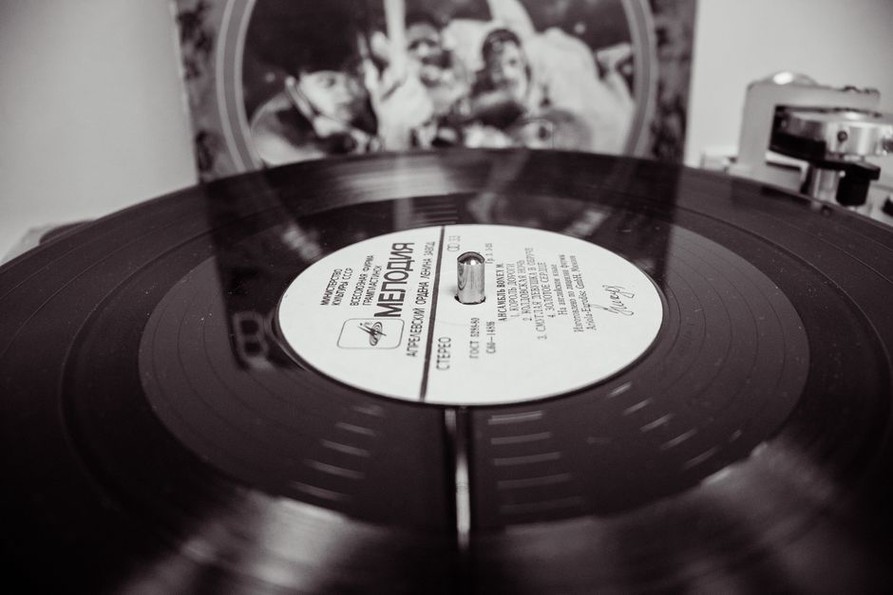
Condition is audible in different ways
Visual grading is a first filter, not a listening test. Fine scratches, scuffs and pressing marks are hard to judge by eye. Quiet electroacoustic passages, field recordings and sparse drones leave room for repeated ticks or steady groove noise. A continuous noise piece may mask some defects, but the disc is no less damaged. When playback condition matters, ask for a play grade. If the seller can check a specific section, name the quietest passage or the start of each side.
Keep disc and sleeve grades separate. A strong disc in a split sleeve may make a good listening copy; an immaculate cover around a noisy disc may be a poor buy if the music is restrained. Ask for specifics about warps as well. A mild edge warp may play through on one turntable, while a dish warp or severe movement can cause tracking trouble. A photograph cannot promise how every cartridge will handle it.
If a seller provides an audio sample, ask how it was made. A phone near a speaker, a direct turntable capture and a compressed online clip reveal different things. A sample can expose a skip or repeated click, but it cannot establish that the rest of the side is clean. When grading is vague, request angled-light photographs and a brief account of playback. Leave room in your price ceiling for what you still cannot verify.
Separate deliberate sound from damage
Distortion, hiss, abrupt cuts and unstable pitches may be part of the recording. Listen for where and how a fault repeats. A click at the same point on each revolution suggests a physical defect; crackle heard on only one copy may also call for inspection. Noise embedded in the master should occur at the same musical position on another edition, though mastering can change its prominence. Comparing editions helps you identify which roughness belongs to the work and which belongs to the disc.
Where discovery and verification diverge
Shops, label catalogs, artist discographies and collector databases answer different questions. In a shop, you can inspect a copy. A label catalog can show how a release was presented. A database may suggest edition identifiers, but its user-entered entries and photographs can be incomplete or wrong. Artist documentation may establish context without confirming the condition or contents of the copy for sale. Cross-check what you find.
Try more than one spelling when searching. Japanese-script names or titles, catalog numbers and alternate transliterations may turn up listings missed by a Romanized name alone. Then check the images: a shared title does not prove that two listings contain the same audio. If an edition is poorly documented, note what you can verify and leave the rest unresolved.
This matters when a vinyl release gathers recordings from another medium. A compilation can make hard-to-hear material accessible while changing its original order and context. You cannot reconstruct a cassette release’s history from a later LP sleeve alone. For broader context on physical media in Japanese experimental music, see [Japanese Experimental Music: Tradition, Noise, and the Medium](/japan-sonic-evolution-tradition-noise/). For a purchase, come back to the credits and tracks on the edition in front of you.
Set a budget around the copy, not the legend
Condition, demand, documentation and availability all affect price, alongside musical interest. An asking price tells you what a seller hopes to get, not what an edition regularly sells for. If completed sales are available, compare copies in similar condition and with similar contents. An insert, intact sleeve or accurately graded disc may account for a difference that a title-only comparison misses.
Include postage and risk in your ceiling. International shipping can make a modestly priced LP expensive, and returning it may be impractical. Ask whether the seller can pack the disc outside the jacket, inside a protective outer sleeve, to reduce seam splits in transit. A sturdy, reinforced mailer matters more than decorative wrapping. Confirm the packing method before paying.
Decide what matters more to you before bidding. For playback, a clean later edition may beat a worn early one. If the release as an object is your interest, missing printed material may matter even when the disc sounds fine. Writing down that priority makes it easier to resist a scarce copy with problems you would normally reject.
Care, cataloging and the listening copy
Store LPs upright, leaving enough room to remove one without bending its neighbors. If an old paper inner sleeve sheds dust, use a clean, nonabrasive replacement and keep the original separately when it is part of the release. Avoid heat and direct sunlight. Clean a disc according to its condition and the equipment you have; aggressive fluids and repeated brushing cannot repair groove wear.
Keep notes about the copy, not just a record of ownership: catalog number, runout text, included materials, where it came from and audible faults by side and approximate time. Those details can distinguish editions later and stop a playback defect from being mistaken for part of the music. They also help if you lend or sell the record.
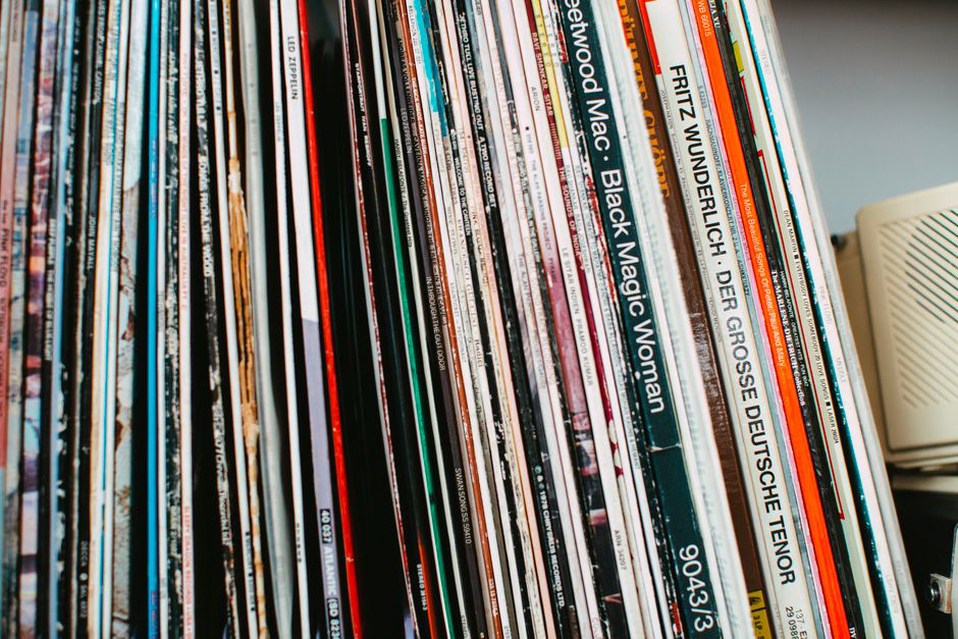
For a newly acquired LP, a first note could read: “Side B, quiet passage, intermittent ticks; sleeve has insert; runout photographed.” Play the passage after cleaning, then update the entry with only what you can hear or verify. Months later, that note will be more useful than your memory of how the jacket looked on arrival.