
Hold a microphone close to a vibrating object and a small sound can fill the room. Amplification does more than make it louder: friction, resonance and electrical noise come forward, though they might be inaudible from a few steps away. Japanese musicians have worked with this change of scale in quite different ways, in fixed tape compositions and in performances where the sound system itself becomes an instrument.
“Electroacoustic” describes a relationship here, not a fixed genre. An acoustic event might be recorded and altered, picked up from an object through a contact microphone, or sent through speakers while a performance is still unfolding. Electronic sounds can enter the circuit too. What matters is where the sound changes character: at the microphone, on tape, through processing or in the room.
From tape composition to live circuits
Japan’s early electronic-music history includes the NHK Electronic Music Studio, established in the 1950s. It gave composers access to tape editing and electronic sound generation when such equipment was hard to obtain. Tōru Takemitsu’s early tape pieces belong to this history, though his wider output cannot be reduced to electronic music. The distinction between tape and live performance matters: a tape piece is assembled and fixed before playback, even when its sounds began as performances or everyday events.
Live experimental performance opened up other possibilities. Group Ongaku, active around 1960, brought together musicians including Takehisa Kosugi and Yasunao Tone for improvisations with instruments, objects and electronics. The group did not establish a single Japanese electroacoustic style. Rather, its performances made the boundary between an action and its mediated sound hard to pin down: a source could be in plain sight while the resulting texture resisted identification.
There is no neat progression from studio composition to underground performance. A fixed tape piece may draw attention to edits and recurring material; an improvised circuit can hinge on the timing of a gesture, a faulty connection or the acoustics of one room.
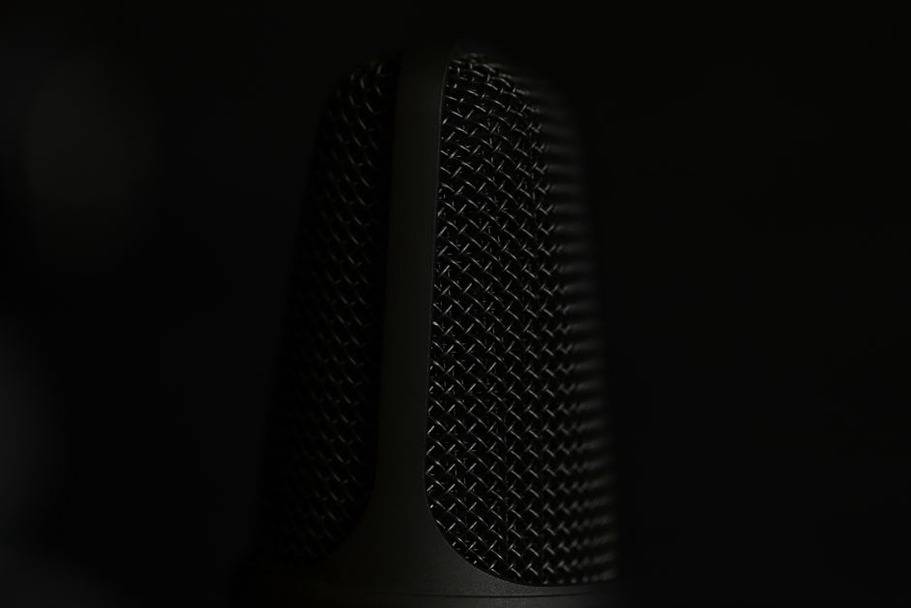
The contact microphone changes the instrument
A contact microphone picks up vibration through a surface rather than primarily through the air. Fixed to metal, wood or glass, it can bring out knocks and scrapes while reducing surrounding room sound. But it is not a neutral enlargement of the object. Move the pickup a few centimeters and a different resonance may take over, or a gesture may nearly disappear.
Taku Sugimoto’s quiet guitar playing and electronics have often drawn attention to minute events. Sachiko M, in a distinct practice, is known for working with a sampler’s sine-wave test tones. Neither artist is simply an example of contact-mic performance. Heard alongside object-based amplification, though, their work raises a similar listening question: when little happens, shifts in level and duration—and sounds in the background—become part of the structure.
Other artists take mediation toward abrasion. Toshimaru Nakamura routes a mixer’s output back into its input in his no-input mixing board work, producing sound without an external instrument supplying the initial signal. The source is electronic rather than acoustic, but the board, cables, speakers and performance space still form a responsive circuit. “Feedback” names the process; it does not convey the control of frequency, instability and silence involved.
Three different kinds of proximity
- Close recording brings out source details, including handling noise a distant microphone might hide.
- Contact pickup favors vibration traveling through an object and can change the balance of its resonances radically.
- Room amplification sends sound back into a physical space, where speaker placement and reflections affect what performers and listeners hear.
These effects are not interchangeable. Record a struck plate from nearby, attach a contact mic to it, or feed its amplified sound back into the room: the gesture may be the same, but the musical event changes.
What recordings conceal and reveal
A release can preserve the sequence of an electroacoustic performance while changing how it occupies space. The recording microphone may favor a speaker over an unamplified object; mastering may raise a quiet passage until it feels continuous rather than fragile. A close recording can also expose textures that were difficult to hear at the venue. Neither version is automatically more authentic.
Sound installation makes the limits of playback especially apparent. Ryoji Ikeda’s work with test tones, data and precisely controlled sound often depends on a physical encounter with loudspeakers and space. At home, very high frequencies may be limited by playback equipment or by a listener’s hearing. Do not turn up the volume to compensate: level and frequency affect the experience differently, and sustained high-level sound risks hearing damage.
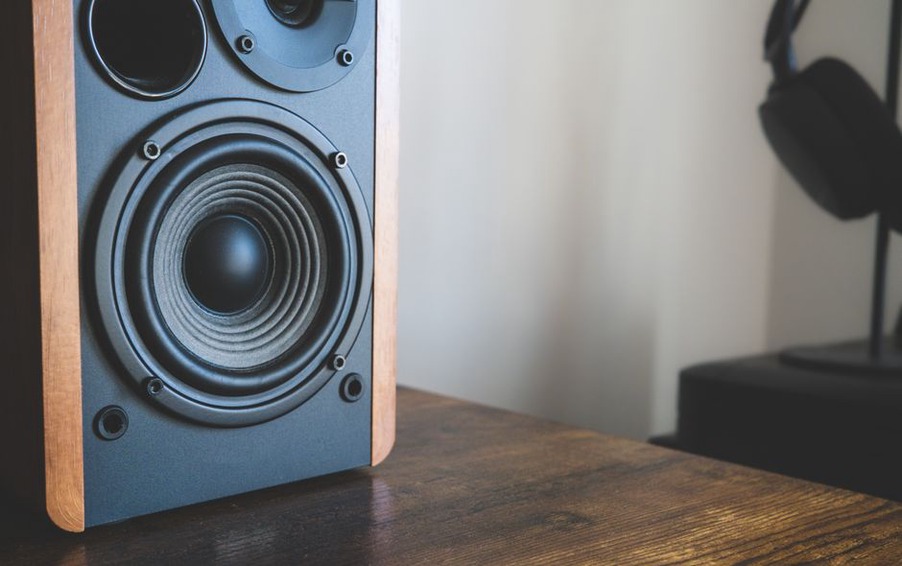
For a useful comparison, listen through headphones and then speakers at a moderate level. Headphones can make faint edits and stereo placement easier to locate. Speakers let sound mingle with the room and may make a sustained tone seem less isolated. Before treating a sudden change as a file or equipment fault, check whether it is part of the recording.
Choosing language that fits the sound
“Noise,” “ambient” and “electroacoustic” overlap, but each can obscure as much as it explains. A low, steady sound might be drone, a field recording or feedback; the label tells you little about how it was made. In release notes, look for sources and methods before genre. “Processed field recordings” suggests a different way of listening from “live contact microphones,” even if the resulting sustained textures sound similar.
The same care helps when cataloging releases. A cassette might hold a fixed studio composition, a live-set document or material assembled from several performances. Its format does not tell you the method. Nor does a credit for “electronics” identify the setup: it could mean a laptop, an analog device or a network of pickups and effects. If the notes say no more, leave the equipment unspecified rather than guessing from the sound.
For musicians studying a piece, a short listening log can tell you more than a genre tag:
- Mark when a source first becomes identifiable—and when that identification stops helping.
- Note whether a change sounds like a performed gesture, an edit or an effect of the playback space.
- Listen again at a safe, lower level for details loudness may have masked.
Try this with ten seconds containing an apparent scrape or click. Play the passage through headphones, then through speakers without changing the file. If the sound shifts in position, sharpness or apparent size, record that difference separately from the scrape itself. Some of what you hear belongs to the playback, not just the gesture.